
Introduction to Screen-Free Play
In an increasingly digital world, the importance of screen-free play for children has gained considerable attention. While screens can provide educational and entertainment value, they can also inhibit creativity and interpersonal skills. Therefore, promoting alternatives that engage kids without technology is vital. By introducing screen-free activities, parents and caregivers can foster a vibrant environment where children can explore their creativity and develop essential life skills. learn more today about how these activities can be implemented effectively in your home.
The Importance of Creative Play
Creative play is the bedrock of childhood development. It allows children to express their thoughts, feelings, and ideas through imaginative scenarios and storytelling. When children engage in creative play, they aren't just having fun; they are also honing critical cognitive abilities, such as problem-solving and critical thinking. Moreover, creative play encourages emotional growth, allowing children to process and regulate their feelings within safe environments. Allowing children to explore their creativity lays a solid foundation for future success in both academic and personal realms.
Benefits of Screen-Free Activities
Screen-free activities offer myriad benefits crucial for a child's holistic development. Engaging in such activities can significantly boost physical health, encouraging movement and coordination through games and outdoor play. Additionally, children tend to exhibit enhanced attention spans and improved interpersonal skills when participating in face-to-face interactions, a stark contrast to the solitary nature of screen time. Overall, screen-free play promotes not just the physical, but also the emotional and social well-being of children.
Understanding the Child’s Perspective
Understanding children’s viewpoints is essential when promoting screen-free activities. Children often gravitate towards screens due to their accessibility and the instant gratification they provide. However, framing screen-free play as equally enthralling—and perhaps even more rewarding—requires understanding their interests. Tailoring activities to match children’s preferences, such as incorporating themes from their favorite books or movies, can help in winning their engagement. The key is to present these options appealingly, allowing kids to see the value and fun in stepping away from screens.
Types of Screen-Free Toys
Choosing the right toys is integral to fostering a screen-free environment. The following types of screen-free toys can spark creativity and engagement in children of all ages.
Building and Construction Toys
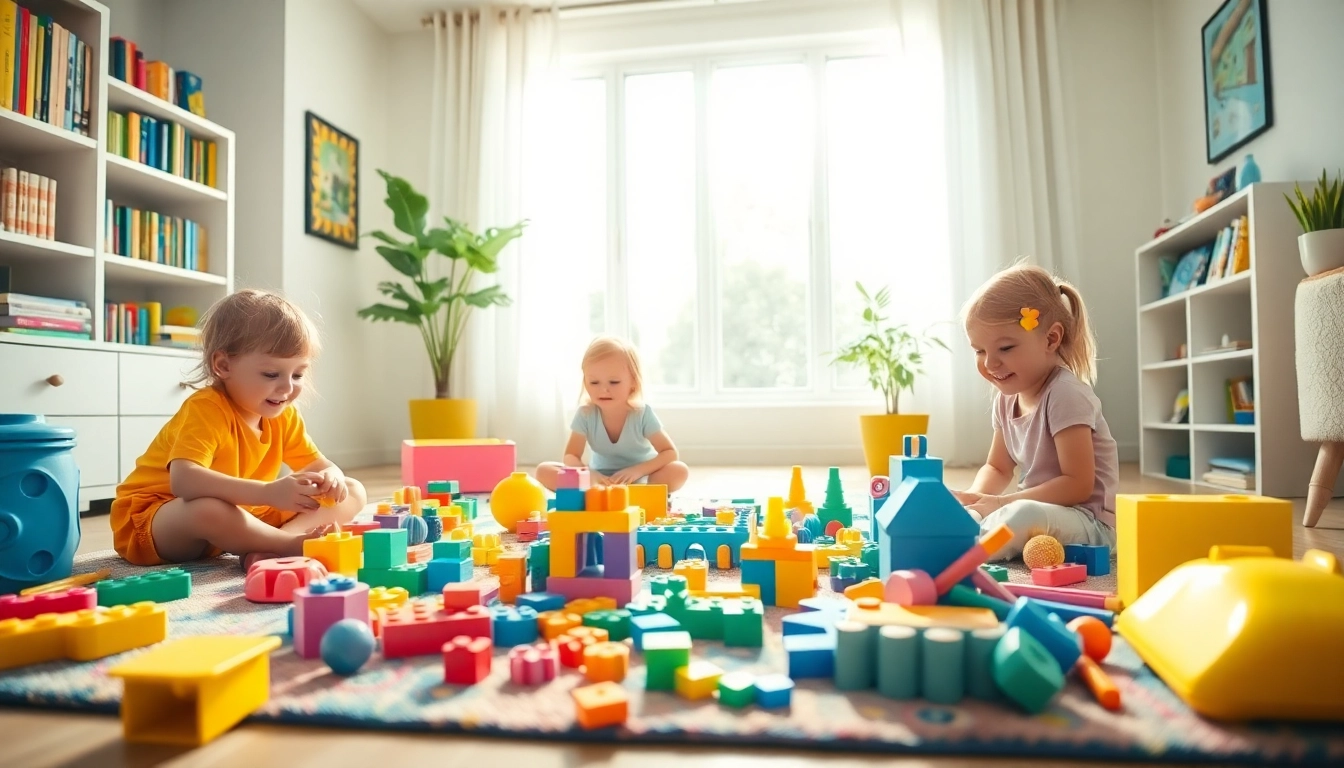
Building toys, such as blocks or construction kits, invite children into a world of creativity and problem-solving. Unlike screen-based games, where outcomes are often predetermined, building toys offer limitless possibilities. Kids can create anything from simple structures to intricate arrangements. These toys encourage spatial awareness, enhance fine motor skills, and stimulate collaboration when children work together on projects. Engaging in construction play not only provides a creative outlet but also teaches crucial skills in planning and execution.
Arts and Crafts Supplies
Arts and crafts supplies are perhaps the most versatile screen-free tools available. Items like crayons, paints, clay, and crafting kits allow children to channel their imaginations into tangible forms. Engaging with these materials fosters creativity and fine motor development as children learn to manipulate different mediums. Encouraging children to create their own art pieces also promotes self-expression and can even serve as a therapeutic outlet, helping them articulate their feelings visually.
Puzzles and Board Games
Puzzles and board games provide interactive forms of entertainment that require cognitive engagement and social interaction. They help sharpen critical thinking and problem-solving skills, particularly with puzzles, while board games instill strategies for cooperation, competition, and sportsmanship. Playing these games as a family can create bonding experiences, reinforcing relationships and teaching valuable lessons about teamwork and patience. Moreover, the tactile nature of these activities encourages children to disconnect from screens and engage with their immediate environment.
How to Encourage Screen-Free Play
While the benefits of screen-free play are clear, implementing these activities requires intention and strategy. Here are effective methods to encourage children to embrace screen-free experiences.
Creating a Play-Friendly Environment
Your living space can significantly impact the extent of screen-free play. Designating areas in your home as play zones encourages children to immerse themselves in creative activities. These spaces can be stocked with an assortment of toys, art supplies, and games. Ensure these areas are inviting, organized, and clutter-free to inspire children to engage in imaginative play. Additionally, consider utilizing outdoor spaces—backyards, parks, or community gardens—as settings for engaging in creative activities that stimulate active play.
Setting Screen Time Boundaries
Establishing clear guidelines regarding screen time is a crucial step in promoting screen-free activities. Parents should define daily limits for screen use and communicate these boundaries effectively to their children. Using timers as visual cues can assist children in managing their screen time. It’s equally important to model healthy screen habits by participating in screen-free play alongside your kids or engaging in alternative activities when they’re not using screens. This not only sets a positive example but also reinforces the value of non-digital entertainment.
Engaging with Children During Play
Active participation from parents and caregivers in children’s play signifies a profound encouragement for screen-free activities. When adults engage in play, it validates children's interests and fosters deeper connections. Co-creating experiences—whether building models, working on crafts, or playing board games—allows adults to guide children constructively while having fun. These moments not only strengthen relationships but also provide opportunities for adults to teach new skills and concepts in an organic setting.
Innovative Ideas for Screen-Free Activities
While classic toys and games are valuable, introducing unique activities can further captivate children's interests and creativity. Below are innovative ideas to inspire screen-free play.
DIY Toy Creation
Engaging in DIY toy creation can serve as a thrilling project for both children and adults. Using recyclable materials, children can craft their own toys while exploring creativity and sustainability. Simple projects like building a robot from cardboard boxes or making a puppet from old socks can result in hours of engaging play. Establishing a “DIY Day” where families can work on these projects together can transform this activity into a cherished routine.
Outdoor Screen-Free Ideas
The great outdoors is a treasure trove for screen-free play. Activities like nature scavenger hunts, painting rocks, or creating obstacle courses can keep kids physically active and mentally stimulated. These experiences nurture physical strength and agility while also enhancing observational skills as children interact with their environment. Seasonal outdoor activities, such as sledding in winter or planting a garden in spring, can also create meaningful traditions that foster a love for nature.
Themed Play Dates
Themed play dates are an excellent way to encourage creativity and camaraderie among children. Consider organizing gatherings around topics that captivate their interests—like superheroes, animals, or favorite stories. Activities can include crafting, storytelling sessions, or role-playing scenarios linked to the theme. This approach not only sparks creativity but also builds social skills as children learn to collaborate and share ideas with their peers.
Measuring the Impact of Screen-Free Play
To ensure that screen-free play is effective, it's essential to measure its impact on children's development. By adopting certain practices, parents can assess the benefits and refine their strategies accordingly.
Observation and Feedback Methods
Regular observation of your child's engagement with screen-free activities can yield invaluable insights. Keeping a journal or taking notes of their interest levels, creativity displayed, and social interactions can provide a framework for understanding their growth. Additionally, soliciting feedback directly from children about what they enjoy or dislike increases their involvement and can guide future activities.
Tracking Developmental Milestones
Keeping an eye on developmental milestones can help gauge the effectiveness of screen-free play. Look for advancements in fine motor skills, creativity, social behavior, and critical thinking skills as children engage in these activities. Regular check-ins with other caregivers or educators can also provide a broader perspective on how screen-free play is influencing children's growth and learning.
Adjusting Strategies for Improvement
Adaptability is key in promoting screen-free play effectively. If certain activities are not resonating well, be prepared to modify your approach based on the observations and feedback you've gathered. Experimenting with new toys, introducing fresh themes, or adjusting play times can keep engagement high. Ultimately, the goal is to create a rich and stimulating environment that encourages children to explore their innate creativity and curiosity.
Common Questions About Screen-Free Play
What are the best toys for screen-free play?
Building blocks, arts and crafts supplies, puzzles, and board games are great options as they encourage creativity, critical thinking, and social interaction.
How can I get my child interested in screen-free activities?
To spark interest, tailor activities around your child's hobbies and engage in these activities together, making it a fun bonding experience.
Are there specific benefits to outdoor screen-free play?
Outdoor play enhances physical health, boosts mood, and nurtures social skills. It allows children to explore nature while developing gross motor skills.
How do I set screen time limits effectively?
Clearly communicate rules about screen use and utilize timers as visual cues. Involve your child in the discussion to foster understanding and compliance.
Can screen-free play aid in my child's development?
Absolutely! Screen-free play promotes cognitive development, enhances creativity, and fosters social skills, all essential for healthy childhood growth.