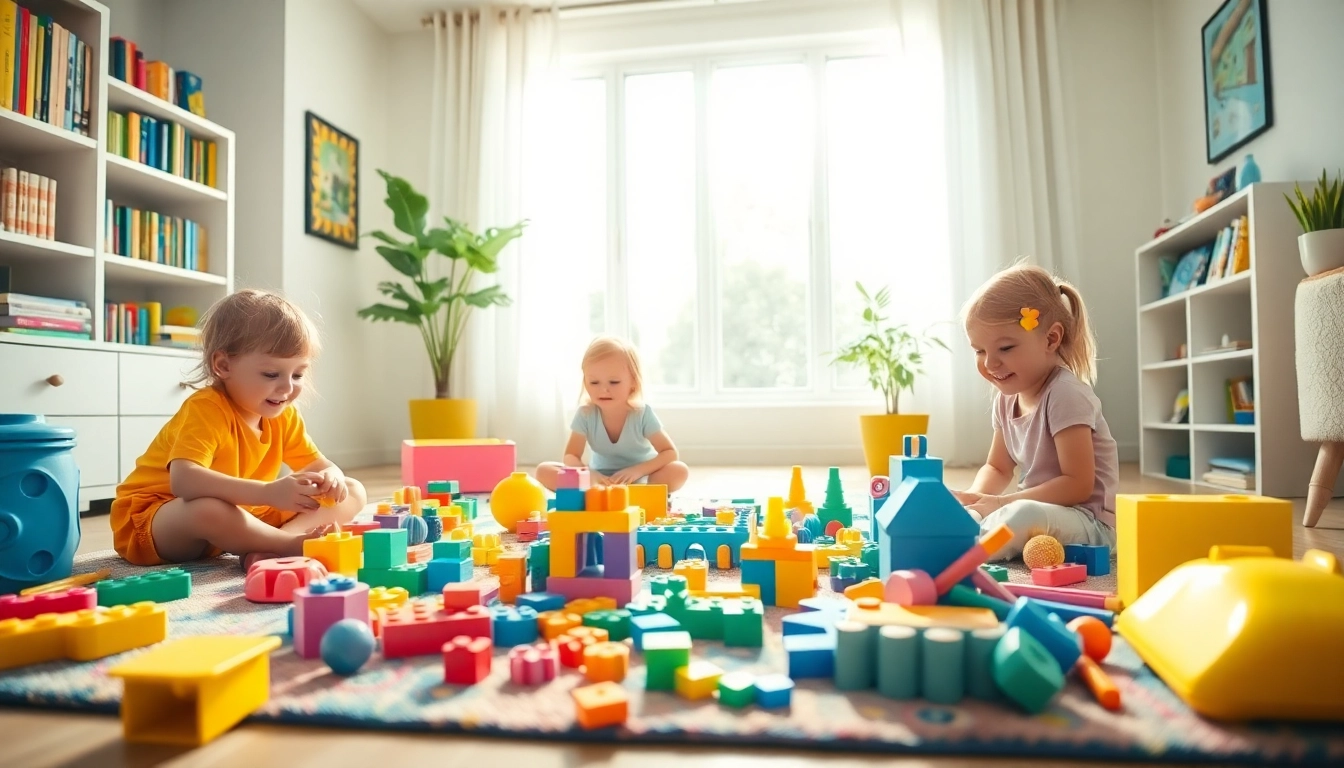

Introduction to Screen-Free Play
In today's technology-driven world, children's screens often overshadow traditional playtime. While digital devices can serve as interactive learning tools, striking a balance that encourages screen-free activities is vital for mental and emotional development. Engaging in screen-free play helps foster critical skills such as creativity, collaboration, and problem-solving. It's essential to provide children with diverse hands-on experiences that enhance their play and allow them to explore the world around them. To discover more creative methods that keep kids engaged, you can learn more today.
Understanding the Importance of Screen-Free Activities
Screen time has become a ubiquitous part of children's lives, but excessive exposure to screens can hinder vital developmental milestones. Research indicates that screen-free play enhances cognitive function and promotes physical health. Children are more likely to develop their imaginations and social skills when they engage in unstructured, hands-on activities. Screen-free play encourages kids to explore their environments, engage in imaginative role-play, and collaborate with peers.
The Benefits of Engaging Hands-On Toys
Hands-on toys cater to a child’s natural instincts to experiment and create. Toys like building blocks and art supplies offer opportunities for sensory play, which is essential for young children's cognitive growth. These toys are crucial in developing fine motor skills, spatial awareness, and problem-solving abilities. Engaging in physical play can also lead to improved emotional regulation as children learn to express themselves and cope with frustration through trial and error.
Encouraging Creativity Through Play
Creativity is a key component in a child's overall development. When children play with toys that promote open-ended exploration, they can envision multiple scenarios and invent new worlds. Creative play supports critical thinking and storytelling skills, enabling children to articulate their thoughts and ideas better. When kids engage in activities like drawing or building, they learn that there are various solutions to a problem, leading to enhanced innovation and resilience in facing challenges.
Types of Screen-Free Toys
Building Blocks and Construction Sets
Building blocks and construction sets stimulate young minds and allow children to express their creativity. These toys encourage spatial reasoning and problem-solving as children design structures with various components. Whether working with traditional wooden blocks or modern interlocking sets, these toys provide endless opportunities for experimentation. They also enhance fine motor skills, as children manipulate pieces with their hands, fostering dexterity and hand-eye coordination.
Arts and Crafts Supplies
Arts and crafts supplies are a fantastic medium for self-expression and discovery. Simple materials like paper, crayons, and glue can transform into masterpieces, promoting creativity and fine motor skills. Engaging in art fosters an emotional outlet for children, allowing them to express feelings they may not yet have the vocabulary to describe. Craft activities can be customized to fit age groups and interests, providing endless opportunities for inventive play and learning.
Puzzles and Board Games
Puzzles and board games serve as fantastic tools for developing critical thinking and social skills. These activities often require teamwork, strategic planning, and turn-taking, enhancing cooperation among players. Working through challenges presented in puzzles can improve attention span and focus, while board games teach important life skills such as patience and fairness. Additionally, these toys offer great opportunities to bond as a family, creating precious memories through shared experiences.
How to Choose the Right Toys
Age-Appropriate Toy Selection
Selecting age-appropriate toys is crucial in ensuring that children receive the maximum benefits from their playtime. Younger children thrive on sensory-rich toys that encourage exploration and motor skill development, such as soft blocks and musical instruments. As children grow, they can tackle more complex toys and challenges that require critical thinking and creativity. Always check the age recommendations provided by manufacturers to ensure the toys are suitable for the child's stage of development.
Quality and Safety Considerations
When choosing toys, quality and safety should always be a top priority. Toys made from non-toxic, durable materials are ideal since they withstand rough play and are safe for children's use. Regularly inspect toys for wear and tear to maintain safety during play. Opt for toys that have certificates or endorsements from safety organizations, ensuring they meet stringent safety standards to prevent injuries.
Encouraging Open-Ended Play
Open-ended toys, which can be used in multiple ways, spur imagination and creativity. Choosing toys that do not prescribe a specific method of play allows children to take the lead in their explorations, enhancing their problem-solving skills. For instance, a simple set of colored blocks can be crafted into a castle, a rocket ship, or even a zoo, depending on the child's imagination. This flexibility in play stimulates cognitive growth as children learn to assert their ideas and collaborate with others.
Strategies to Engage Children
Setting Up Creative Play Spaces
A designated play area can enhance the creativity and focus of children during playtime. Organize a space filled with a variety of materials and toys that encourage creativity and exploration. Include comfortable seating, ample lighting, and storage for art supplies and books. A well-designed play space not only inspires creativity but also provides a structured environment that allows children to focus and engage without the distractions of screens.
Involving Kids in Playtime Decisions
Involving children in the choice of activities fosters a sense of ownership and excitement about playtime. Encourage them to express their preferences for toys or games based on their interests and moods. By allowing children to select activities, you help them build confidence in decision-making and inspire a passion for active engagement. This practice enhances their critical thinking skills as they evaluate options and consider what they would enjoy most.
Lifelike Scenarios for Imagination
Creating lifelike scenarios for play can further stimulate children's imaginations. Role-playing games that mimic real-world situations, such as serving food in a pretend restaurant or acting as a veterinarian treating stuffed animals, enable children to creatively explore their understanding of the world. These activities also enhance empathy and communication skills, encouraging them to articulate their feelings and ideas more effectively during socially complex situations.
Frequently Asked Questions
What are some benefits of screen-free play?
Screen-free play enhances creativity, social skills, and emotional development. It encourages hands-on exploration, problem-solving, and fosters physical activity, promoting overall well-being in children.
How do screen-free toys enhance creativity?
Screen-free toys provide open-ended possibilities, allowing children to explore, create, and invent. This flexibility encourages them to use their imagination and develop innovative solutions to challenges.
Are all screen-free toys safe for children?
Not all screen-free toys are safe. Always check for age-appropriate guidelines and ensure toys are made from non-toxic materials to promote safe play experiences.
How can I encourage my child to play without screens?
Encourage screen-free play by providing diverse toys, organizing playdates, and participating in activities together. Create engaging play spaces that inspire imagination and hands-on learning.
What age groups benefit most from screen-free toys?
All age groups benefit from screen-free toys, but younger children particularly thrive on imaginative play that fosters sensory exploration and motor skills development during their formative years.