
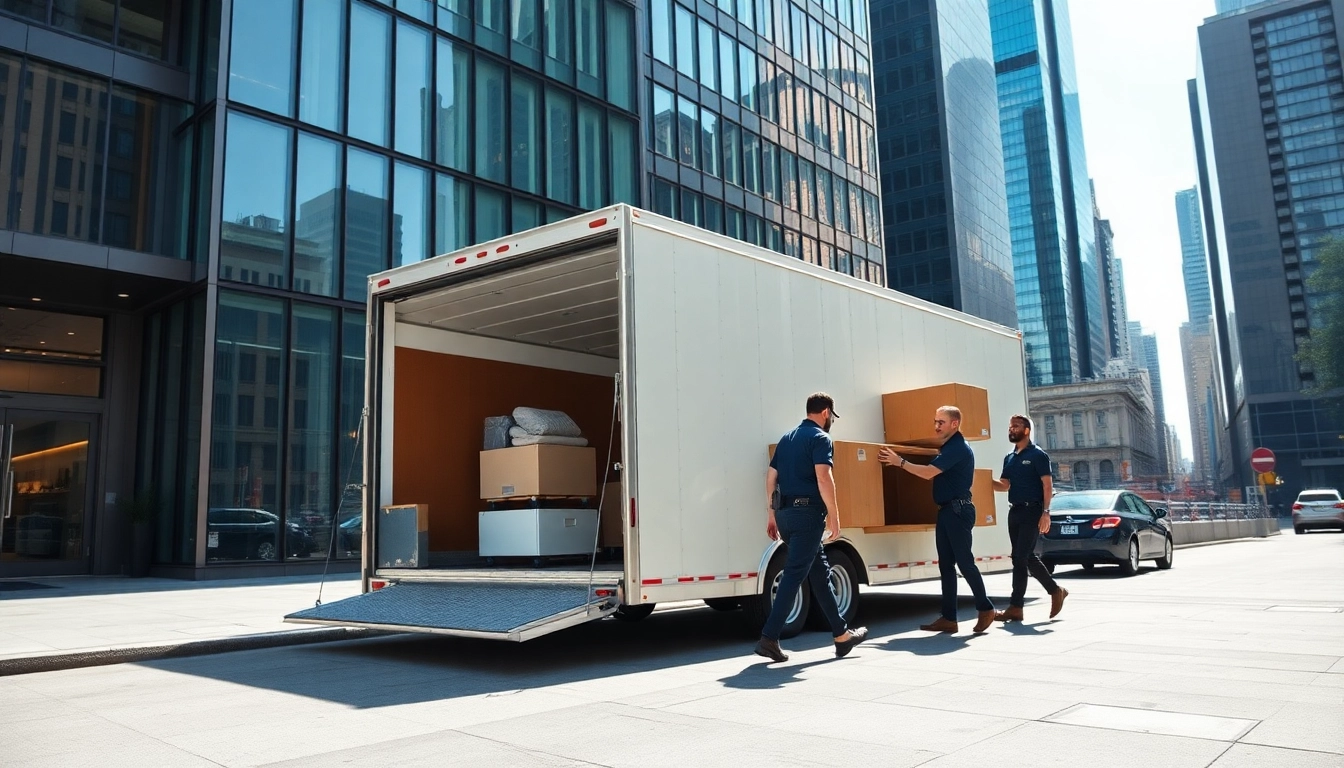
Understanding the Basics of Commercial Moving Services NYC
In the bustling environment of New York City, businesses often face the challenging task of relocating their offices or commercial spaces. Corporate shifts demand not only physical logistics but also strategic planning. To navigate these intricacies, many organizations turn to professional Commercial Moving Services NYC. This article will delve into the key aspects of commercial moving, including its definition, types, differences from residential moving, benefits, challenges, and best practices for successful relocations.
What Is Commercial Moving?
Commercial moving is defined as the relocation of a business from one place to another. This process can encompass a wide array of settings including offices, retail establishments, warehouses, and even manufacturing facilities. Unlike residential moving, which typically involves the transport of personal belongings, commercial moving is focused on the efficient transfer of business-related items including furniture, technology systems, inventory, and sensitive documents. The aim is to ensure a seamless transition that minimizes the impact on day-to-day operations.
Types of Commercial Moves
Understanding the different types of commercial moves is crucial for tailoring the relocation process to specific business needs. These include:
- Office Moves: Relocations that involve moving from one office space to another, which typically require careful coordination to avoid operational downtime.
- Warehouse Moves: Transferring inventory from one storage location to another. This can be complex due to the management of large stock levels.
- Industrial Moves: This involves relocating heavier equipment and machinery, often requiring specialized handling and transportation.
- Corporate Relocation: Moving employees and their associated offices, often necessitating specific protocols for data security and compliance.
Key Differences Between Commercial and Residential Moving
While both commercial and residential moves share the fundamental goal of relocating items from one place to another, there are significant differences that set them apart:
- Volume and Scope: Commercial moves often involve larger volumes of items and complex logistics compared to residential moves.
- Operational Impact: Businesses typically require minimal disruption during the moving process to maintain operations, while residential customers can afford more flexibility in timelines.
- Planning and Coordination: Commercial moves necessitate extensive planning to avoid downtime, while residential moves focus primarily on personal schedules and convenience.
- Specialized Equipment and Skills: Commercial moves may involve specialized packing, handling of sensitive equipment, and logistics management that differs from typical household items.
Benefits of Utilizing Professional Commercial Moving Services NYC
Engaging professional commercial movers provides businesses with a plethora of advantages that can ease the burden of relocation. Key benefits include:
Minimizing Downtime During Relocation
One of the foremost concerns during a commercial move is the potential for downtime – the period a business operations are halted. Professional commercial moving services offer flexible scheduling and efficient processes to significantly reduce or eliminate downtime. By conducting the move after business hours or during weekends, operations can continue with minimal interruptions. Moreover, strategized planning ensures that all moves are streamlined and on schedule.
Expert Handling of Sensitive Equipment and Data
Businesses often house sensitive data and specialized equipment that require careful handling. Professional movers are trained in the best practices for the transportation of these items, employing protective materials and methods to guarantee safe transit. This expertise minimizes the risk of damage or data loss while preserving the integrity and security of the company’s assets.
Customized Moving Plans for Unique Business Needs
No two businesses are alike, and neither are their moving requirements. Professional movers offer tailored solutions specific to the unique demands of each organization, including inventory audits, packing services, logistics management, and post-move setup. Whether a business is downsizing, relocating within the same neighborhood, or expanding to a new city, customized plans ensure the move aligns with the company’s operational goals and timelines.
Essential Steps for a Successful Commercial Move
Every successful commercial move is rooted in meticulous planning. Here are essential steps to navigate the moving process effectively:
Planning and Preparation
The planning phase involves assessing the current space, identifying items to move, and developing a timeline for the relocation. It's essential to create a moving team within the organization, appointing a project manager to oversee the process. Detailed checklists can help ensure every task is completed, from notifying utilities to setting up IT infrastructure in the new location. Moreover, notifying employees well in advance fosters a culture of transparency.
Choosing the Right Moving Company
Selecting a reputable moving company is crucial for a smooth transition. Look for companies with positive reviews, transparent pricing structures, and relevant experience in commercial moves. The right company should be able to provide a comprehensive moving plan and have the expertise to handle specific logistical challenges associated with the move. Be certain to conduct thorough due diligence on potential movers, including checking their licensure and insurance credentials.
Post-Move Considerations and Setup
Once the move is complete, it’s essential to ensure the new space is functional and welcoming. This includes unpacking, setting up workstations, and configuring technology systems. However, the work doesn't stop there. Training sessions for employees on the new layout can help them quickly adapt, while ongoing evaluation of workflows may uncover areas for optimization in the new environment. This phase often includes addressing employee feedback to ensure a smooth transition into the new space.
Common Challenges in Commercial Relocations
While planning and execution are vital, various challenges can arise during commercial relocations. Addressing these challenges proactively can minimize their impact.
Managing Employee Communication
Clear and consistent communication with employees is paramount during a commercial move. Miscommunication can lead to anxiety and uncertainty, affecting morale and productivity. Holding regular meetings, sharing updates, and providing detailed information on the new location will ensure employees feel informed and involved throughout the process.
Handling Unexpected Issues
Despite advanced planning, unexpected circumstances can arise, from equipment malfunctions to weather disruptions. Implementing a contingency plan, including backup vendors or alternative transport options, can help mitigate potential setbacks. Having a flexible mindset and the ability to quickly adapt solutions will keep the move on track even when challenges occur.
Logistical Problems in High-Density Areas
High-density environments like New York City present unique challenges in terms of parking, loading zones, and traffic management. A successful move requires negotiation with local authorities for permits and scheduling transport during off-peak hours. Well-experienced moving companies understand the local landscape and can navigate these challenges more effectively.
FAQs About Commercial Moving Services NYC
How Much Do Commercial Moving Services Cost?
Cost varies based on the size of the move, distance, and services required. On average, businesses can expect fees ranging from $1,000 to $15,000, depending on complexity.
What Should I Look for When Selecting a Moving Company?
Consider their experience with commercial moves, licensing, insurance, customer reviews, and transparent pricing. Checking references and obtaining multiple quotes is also advisable.
How Can I Ensure My Office Equipment Is Safe?
Work with professional movers who specialize in commercial relocations. They should use proper packing materials and methods to safeguard equipment during transport.
When Is the Best Time to Schedule My Move?
The best time varies by business needs but typically includes planning moves during weekends, holidays, or off-peak seasons to minimize disruptions.
How Do I Prepare My Employees for a Move?
Inform them timely about the relocation and involve them in planning. Provide updates and consider their feedback throughout the process to ease the transition.