
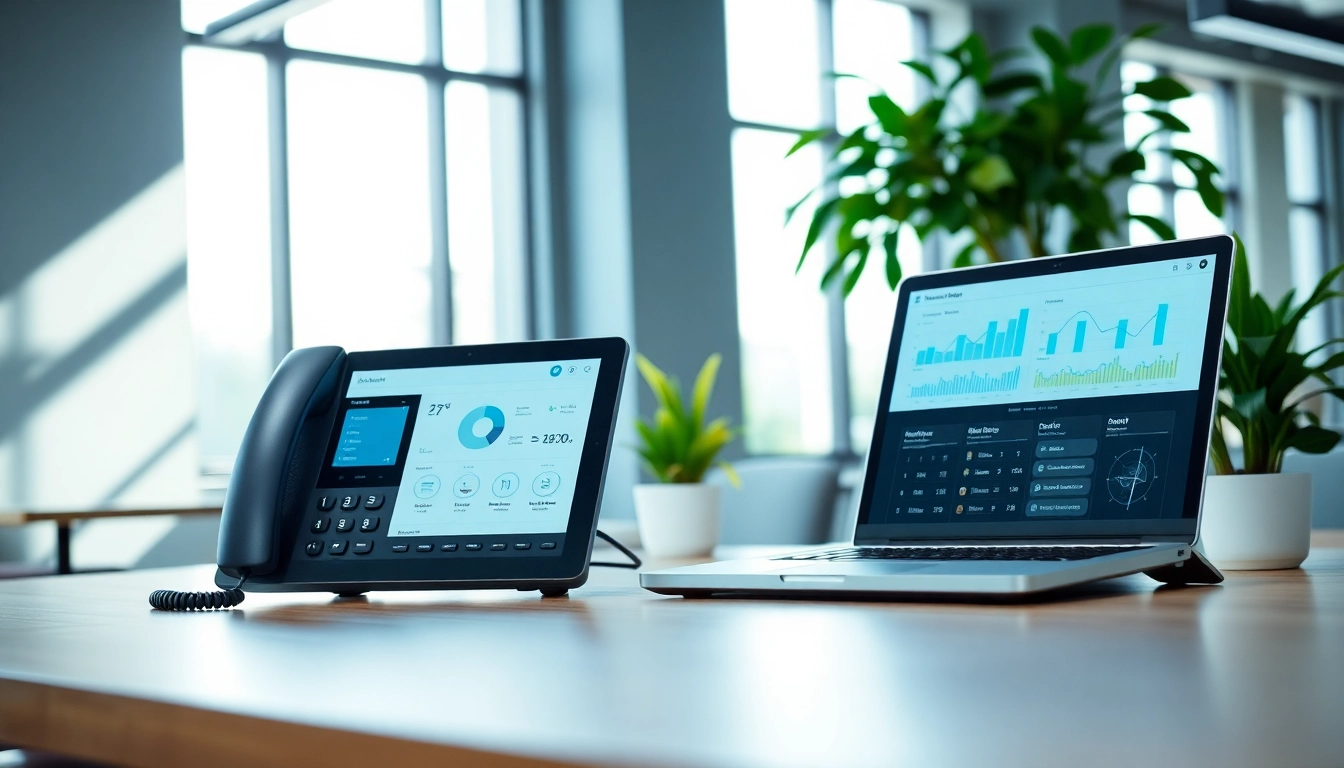
Understanding VOIP Phone Systems for Small Business
What is a VOIP Phone System?
A VOIP (Voice Over Internet Protocol) phone system is a technology that allows users to make voice calls using the internet instead of traditional telephone lines. This digital approach converts analog voice signals into digital data packets and transmits them over the internet. Businesses can leverage this technology to enhance communication efficiency while reducing costs associated with traditional telephony. As workplaces continue to evolve, the adoption of VOIP phone systems has become crucial for maintaining seamless internal and external communication. More information on the implementation can be found on the voip phone system for small business webpage.
Advantages of VOIP for Small Businesses
Implementing a VOIP phone system offers several benefits that are particularly advantageous for small businesses. These include:
- Cost-Effectiveness: VOIP systems typically require lower upfront costs than traditional phone systems. Additionally, monthly fees can be significantly reduced, especially for international calling.
- Scalability: As your business grows, a VOIP system can easily adapt to increased needs, allowing for the addition of new lines without complex installations.
- Flexibility: VOIP allows employees to connect from various devices—smartphones, laptops, or desktop computers—facilitating remote work and mobility.
- Rich Features: Advanced features such as voicemail-to-email, call forwarding, and conference calling are often included, which enhances productivity.
Key Features to Look For
When evaluating VOIP phone systems, look for key features that align with your business needs, such as:
- Call Quality: Ensure the system delivers high-definition voice quality with minimal latency.
- Integration Capabilities: Choose a VOIP service that can easily integrate with other business applications such as CRM systems and email platforms.
- Customer Support: Strong customer service support will be crucial for troubleshooting any issues.
- Security Features: Look for end-to-end encryption and additional safeguards to protect sensitive business communications.
Cost-Benefit Analysis of VOIP Phone Systems
Initial Setup Costs Compared to Traditional Systems
The initial setup costs of a VOIP phone system can be significantly lower than traditional systems. Traditional systems require substantial investments in hardware, installation, and ongoing maintenance. In contrast, VOIP systems typically involve lower equipment costs, and many providers offer cloud-based solutions that minimize hardware investments and associated setup fees.
Long-Term Financial Benefits
Over time, the savings on calls, especially international calling, can be substantial. The reduced need for dedicated phone lines further decreases monthly expenses. Moreover, many VOIP providers offer flexible pricing plans, which allow businesses to select only the features they require, enhancing the cost-effectiveness of the service.
Assessing ROI for Your Business
To evaluate the return on investment (ROI) of a VOIP phone system, consider both tangible and intangible benefits. Assess savings on communication costs against the initial and ongoing expenses. Additionally, factor in improved productivity due to enhanced features and flexibility. By streamlining communication, employees can work more efficiently, potentially leading to increased revenue.
Implementing a VOIP Phone System for Small Business
Step-by-Step Installation Guide
Implementing a VOIP phone system requires strategic planning and execution:
- Assess Your Needs: Determine the number of users, necessary features, and budget.
- Select a Provider: Research VOIP providers that offer features best suited for your business.
- Design the Network: Ensure your internet connection is robust enough to handle VOIP calls without interruptions.
- Install Hardware and Software: Set up phones, headsets, or software on devices as needed.
- Test the System: Conduct testing to ensure call quality and check all features.
- Train Your Team: Provide training to employees to maximize the benefits of the new system.
Essential Hardware and Software Requirements
A successful VOIP implementation requires specific hardware and software components, including:
- High-Speed Internet Connection: A stable internet connection is crucial for clear call quality.
- VOIP-Compatible Phones: Invest in either traditional VOIP phones or softphones that run on computers and mobile devices.
- Router: Ensure you have a Quality of Service (QoS) capable router to prioritize voice traffic.
Training Employees for Effective Use
To foster a seamless transition to a VOIP system, training is vital. Employees should be trained on how to use the system features effectively, such as call forwarding, conferencing, and voicemail management. This training can be done through workshops or online tutorials to accommodate varying learning styles.
Best Practices for Utilizing VOIP Phone Systems
Common Challenges and Solutions
While VOIP systems offer numerous advantages, several challenges may arise. Common issues include:
- Poor Call Quality: Ensure a strong internet connection and consider upgrading your bandwidth if you experience issues.
- Security Concerns: Implementing firewalls and encryption measures can help protect sensitive communications.
- Dependence on Internet: Having backup measures, such as traditional lines, can mitigate risks associated with internet outages.
Enhancing Communication Strategies
Utilizing the features of your VOIP system can enhance overall communication strategies. Use tools such as video conferencing for remote meetings, and leverage chat functionalities to improve real-time communication. Collect feedback from employees to identify areas for improvement in your communication strategy.
Performance Monitoring and Adjustments
Regularly monitor the performance of your VOIP system. Use metrics like call drop rates, latency, and user satisfaction to make necessary adjustments. This ongoing evaluation ensures that the system meets business needs and maintains high-quality communication.
FAQs About VOIP Phone Systems for Small Business
What is the best VOIP phone system for small businesses?
The best VOIP phone system varies based on your specific needs. Evaluating features, costs, and integration capabilities will guide your choice.
How can I ensure call quality with VOIP?
To ensure high call quality, maintain a strong internet connection, use quality equipment, and consider prioritizing VOIP traffic on your network.
Are there hidden costs in VOIP services?
Occasionally, there are additional costs for specific features or equipment, so reviewing the pricing structure with your provider is important.
Can VOIP systems integrate with other business tools?
Yes, many VOIP systems offer integration with various business tools, such as CRM systems and productivity software, enhancing overall business efficiency.
What security measures should I implement for VOIP?
Implement measures like firewalls, encryption, and secure passwords to protect your VOIP system from potential threats.
Contact Information
Address:Fareham Innovation Centre, PO13 9FUEmail Us:[email protected]Call Us:0333 015 2615