Understanding Gradal Excavators
The gradal excavator is a remarkable piece of heavy machinery designed to perform tasks ranging from basic digging to complex operation in diverse terrains. Appreciated for its versatility, it's essential for professionals in construction, roadwork, landscaping, and more. This article delves into various aspects of gradals—from their key features to their applications, helping you understand their critical role in heavy industry.
What is a Gradal?
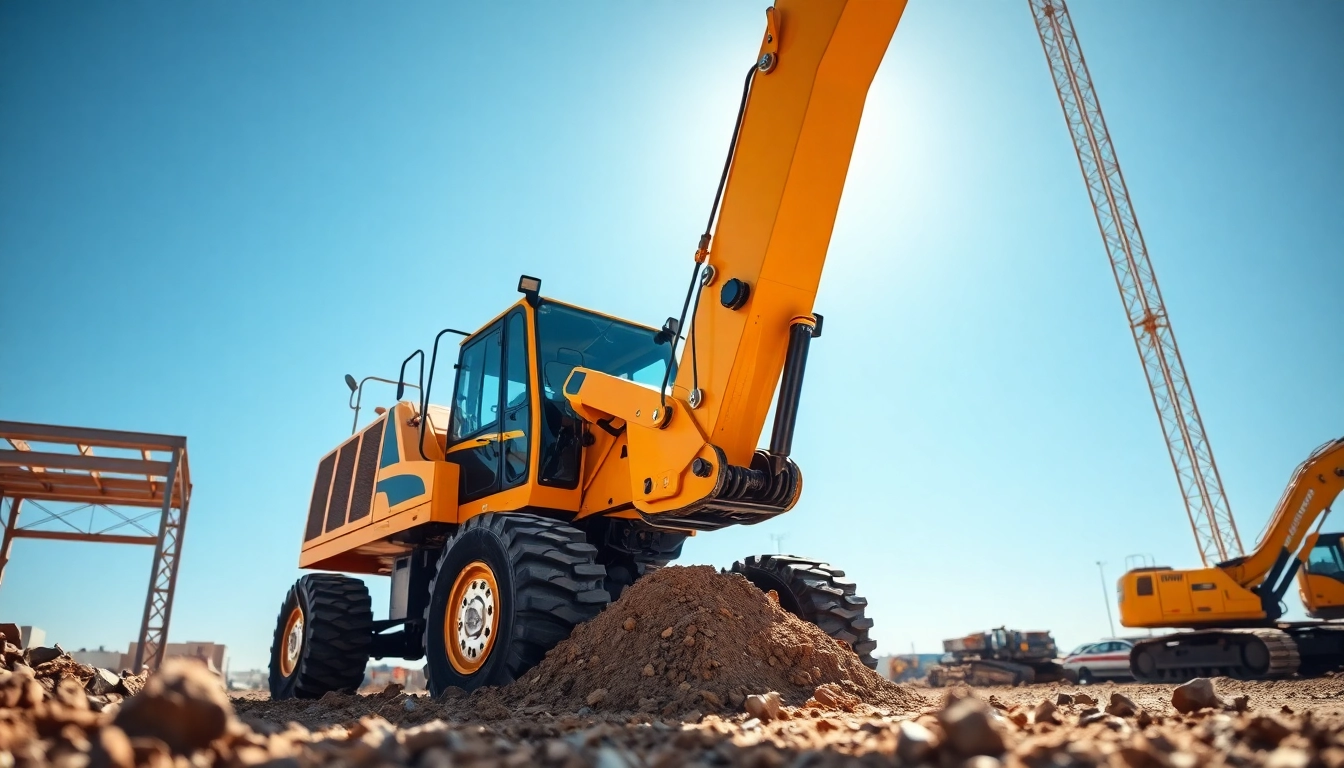
A gradal refers to a class of excavators renowned for their unique telescoping boom design that allows for exceptional reach and maneuverability. The innovative structure aligns with the need for equipment that can operate effectively in tight spaces while maintaining operational efficiency. Originally developed for heavy construction projects, the gradals are now used extensively across multiple sectors, emphasizing their significant evolution.
Key Features of Gradal Machines
- Telescoping Boom: Gradals feature a versatile boom that can extend or retract, providing enhanced flexibility in reaching various heights and depths.
- Articulating Design: The machine's articulation facilitates precise maneuvering, especially in confined areas, allowing it to perform complex tasks where traditional excavators might struggle.
- Multi-Functionality: Equipped with various attachments like buckets, forks, and blades, gradals can undertake a range of tasks from digging to lifting.
- Robust Build: Designed to endure harsh conditions, gradals are built with durable materials that enhance longevity and reliability.
- Operator Comfort: These machines often come with ergonomic controls and adjustable seating, contributing to improved operator comfort during long working hours.
Benefits of Using Gradal Excavators
The use of gradal excavators comes with numerous advantages that make them an investment worth considering:
- Enhanced Efficiency: Their ability to reach difficult areas reduces the time spent repositioning or leveraging other equipment.
- Versatility: From construction to excavation, planting trees, or grading land, gradals can handle a plethora of tasks with minimal adjustments.
- Increased Safety: With their articulating boom and improved visibility, gradals reduce the risk of accidents during operation.
- Cost-Effectiveness: Although the initial investment can be high, the gradal's efficiency and multi-functionality lead to lower operational costs in the long term.
Types of Gradal Equipment
Wheeled Gradals: Mobility and Efficiency
Wheeled gradals are especially favored for their mobility across different terrains, making them suitable for urban construction sites or road maintenance. Their rapid movement speed allows for quick relocation, which is vital in projects that demand efficiency. Features often include all-wheel drive and exceptional steering capabilities, ensuring they can maneuver across various surfaces, from asphalt to uneven landscapes.
Crawler Gradals: Stability in Tough Terrains
For jobs requiring maximum stability, crawler gradals are an ideal choice. These machines are specifically designed to work in soft or unstable ground, like wetlands or steep hillsides. Their broader track base distributes weight evenly, preventing sinkage and ensuring balanced operations, making them indispensable in tasks that demand rugged performance.
Specialized Gradals for Specific Tasks
Beyond standard gradals, specialized models are tailored for specific industries—such as forestry, demolition, and mining. These machines feature unique builds or attachments that enhance efficiency for specific job functions. For instance, a forestry gradal might come equipped with a grapple attachment for tree removal, while a demolition gradal could feature reinforced structures to handle heavy debris.
Applications of Gradal in Heavy Industry
Construction Projects
In construction, gradals are often employed for site preparation, foundation digging, and utility installation. Their multi-functionality allows contractors to use them for various tasks without needing multiple machines, thus saving money in operational overheads.
Road Maintenance and Development
Gradals are also pivotal in road maintenance and development projects. Their articulating boom contributes to effective tasks like shoulder grading and drainage ditch cleaning. By ensuring smooth road surfaces and robust drainage systems, they help maintain road integrity and extend longevity.
Environmental and Landscaping Work
In environmental projects, such as grading and landscaping, gradals assist in shaping land contours and managing vegetation. Their versatile attachments allow workers to switch seamlessly between different tasks, from digging to planting, which is particularly advantageous for landscaping firms and environmental consultants.
Choosing the Right Gradal for Your Needs
Factors to Consider When Selecting a Gradal
When selecting a gradal, consider the nature of the tasks you intend to perform. Evaluate your typical project types, the terrain you'll encounter, and any specific functionalities you might require. Moreover, take into account factors that impact the machine’s performance, such as lifting capacity, operating weight, and reach.
Assessing Task Requirements and Capabilities
Defining the requirements for your tasks is crucial in identifying the right gradal. For instance, if your projects primarily involve heavy lifting in confined spaces, a compact wheeled gradal with higher lifting capability would be an appropriate choice. You should also factor in attachment compatibility to ensure that the gradal can adapt to evolving job requirements.
Cost vs. Long-Term Benefits of Gradal
While the upfront cost of a gradal may appear significant, it is essential to evaluate long-term operational efficiency and potential savings. Gradals' versatility often means lower overall expenditures, as they can replace several machines while maintaining the same work output. This assessment also includes considering maintenance costs and recovery times for parts replacement.
Maintaining Your Gradal Excavator
Regular Maintenance Tips
To maximize the lifespan and performance of your gradal, regular maintenance is key. Schedule systematic inspections, checking hydraulic systems, boom function, and all moving parts for signs of wear. Keeping machinery clean can prevent dirt and grime from obstructing vital components, ensuring smooth functionality.
Common Repairs and Troubleshooting
Common issues with gradals may involve hydraulic fluid leaks, electrical system faults, or wear in the boom mechanism. Identifying problems early through routine checks increases the likelihood of successful troubleshooting. Operators should also familiarize themselves with basic diagnostic techniques to address minor issues before they escalate into costly repairs.
Best Practices for Longevity
Implementing best practices in operation can significantly prolong the lifespan of a gradal. Ensure operators are thoroughly trained on how to handle the equipment efficiently and safely. Encourage adherence to load capacities and operational guidelines to prevent undue strain on the machine, which can lead to premature failures.
Frequently Asked Questions
1. What is a gradal used for?
A gradal is multifunctional, primarily used for excavation, grading, and lifting across various job sites, including construction and landscaping.
2. How does a gradal differ from traditional excavators?
Gradals feature a telescoping boom that provides greater reach and versatility, allowing for operation in confined spaces where traditional excavators may be limited.
3. Are gradal excavators safe to operate?
Yes, gradals have design features like articulating booms that improve visibility and stability, making them among the safer choices for heavy machinery.
4. How do I maintain my gradal excavator?
Regular inspections, cleaning, and adherence to maintenance schedules are crucial. Keeping hydraulic fluid and moving parts in check can prevent performance issues.
5. What factors should I consider when buying a gradal?
Key factors include your operating terrain, types of tasks, weight capacity, and potential for future attachment requirements to match your evolving needs.