Understanding Nutraceutical Packaging
Definition and Importance
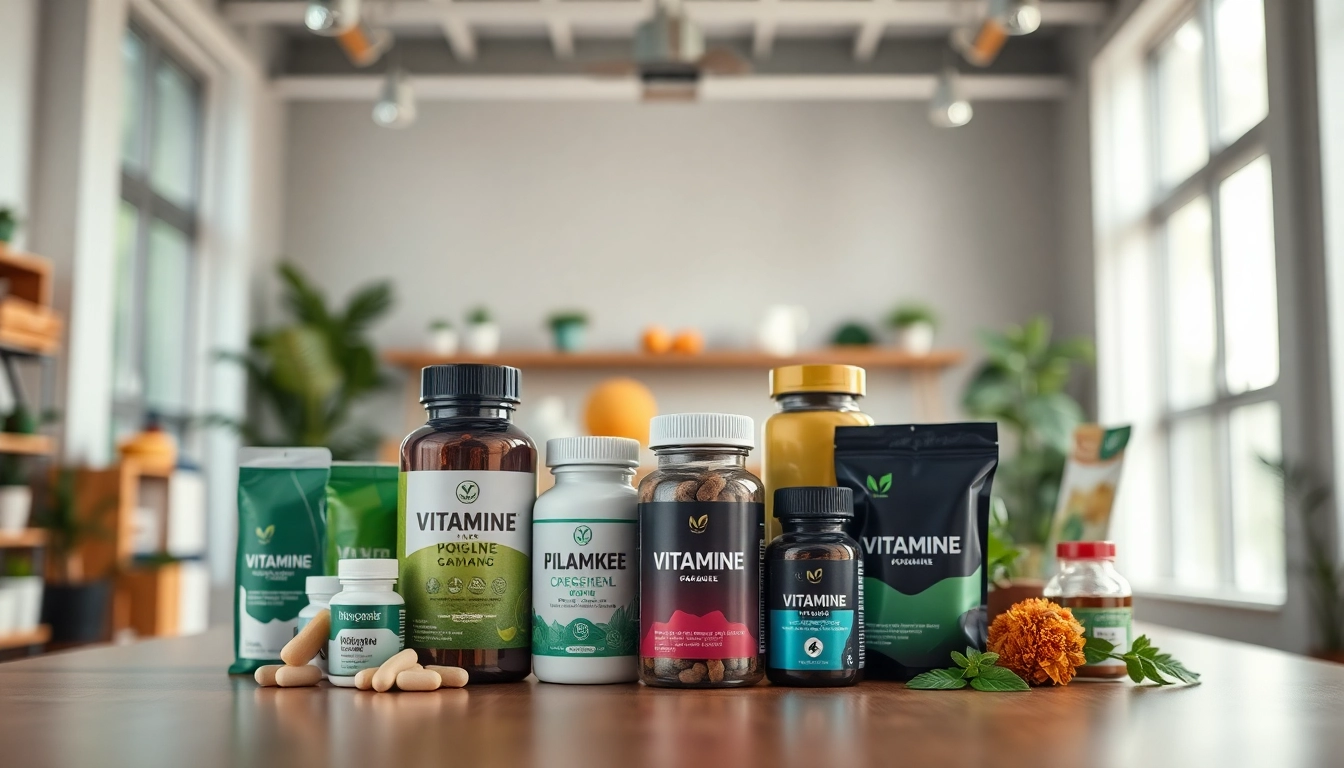
Nutraceutical packaging refers to the specialized packaging solutions designed for nutraceutical products, including dietary supplements, vitamins, minerals, and functional foods. As the demand for health and wellness products continues to rise, the significance of effective packaging cannot be overstated. Packaging serves not only as a protective barrier but also plays a crucial role in marketing, providing brand visibility and consumer appeal. Moreover, it ensures product integrity by safeguarding against external factors such as moisture, light, and oxygen that could potentially degrade nutritional value.
By investing in high-quality Nutraceutical Packaging, brands can streamline distribution, enhance shelf life, and create a distinctive market presence that resonates with health-conscious consumers.
Types of Nutraceutical Packaging
Nutraceutical packaging encompasses various formats tailored to meet specific product characteristics and consumer preferences. Here are some common types:
- Bottles and Jars: These are prevalent for liquid supplements, powders, capsules, and tablets. They are typically made from plastic or glass and offer optimal protection against contamination.
- Blister Packs: Ideal for single-dose products, blister packs provide an airtight seal that preserves freshness and potency.
- Sachets and Pouches: Flexible packaging options that allow for single-serving sizes, making them convenient for on-the-go consumers.
- Tubular Containers: Often used for powder products, these are designed for easy dosage and minimal spillage.
- Boxes and Cartons: Commonly used for multiple product formats, they offer ample space for branding and product information.
Key Benefits of Effective Packaging
Effective nutraceutical packaging delivers numerous advantages that can enhance product appeal and performance:
- Product Protection: It safeguards supplements from moisture, light, and physical damage.
- Enhanced Shelf Life: High-quality packaging materials can extend the freshness and potency of health products.
- Consumer Convenience: Easy-to-use packaging improves customer experience, aiding in product accessibility and usability.
- Brand Differentiation: Unique and attractive packaging helps a product stand out on store shelves, attracting consumer attention.
- Regulatory Compliance: Proper labeling and compliance with health regulations can be easily managed with effective packaging solutions.
Critical Features of Nutraceutical Packaging
Barrier Properties and Preservation
The primary function of nutraceutical packaging is to preserve the product's efficacy by acting as a barrier against environmental factors. This includes:
- Moisture Barrier: Prevents absorption of moisture, which can lead to product spoilage or clumping.
- Light Barrier: Protects light-sensitive ingredients from degradation due to UV rays.
- Oxygen Barrier: Reduces oxidation, a key factor in the degradation of vitamins and other sensitive compounds.
Advanced materials, such as high-barrier films and coated glass, are often utilized to enhance the protection afforded by nutraceutical packaging.
Customization for Brand Identity
Custom packaging solutions allow brands to express their identity effectively. Packaging can be adapted through:
- Design Elements: Unique graphics, colors, and logos can bolster brand recognition.
- Shape and Size: Tailoring the shape or size of the packaging can create a memorable experience.
- Materials: Eco-friendly options can also reflect a brand's commitment to sustainability.
Personalization in packaging further enhances brand loyalty by appealing to target demographics and creating emotional connections.
Compliance and Regulations
Nutraceutical packaging must adhere to stringent regulations dictated by health authorities. These include:
- Labeling Requirements: Accurate labeling that includes ingredient lists, nutritional information, and allergen warnings is crucial.
- Material Safety: Compliance with safety standards for materials, especially those coming in contact with consumables.
- Child-Resistant Packaging: Certain products must meet safety regulations designed to prevent access by children.
Staying informed about evolving regulations ensures products meet necessary compliance and maintain consumer trust.
Innovative Trends in Nutraceutical Packaging
Sustainable Materials and Processes
As environmental concerns escalate, nutraceutical brands are increasingly prioritizing sustainability in their packaging choices. This includes:
- Biodegradable Materials: Utilizing materials that can decompose naturally reduces environmental impact.
- Recyclable Packaging: Consumers are more likely to prefer products in packaging they can recycle after use.
- Reduced Plastic Use: Innovating packaging formats that minimize plastic waste is a goal for many brands.
Brands adopting sustainable practices not only contribute positively to the environment but also appeal to eco-conscious consumers.
Smart Packaging Solutions
Integrating technology into packaging enhances functionality and consumer engagement. Examples include:
- QR Codes: Allow consumers to access additional information about the product, including sourcing, benefits, and usage.
- Temperature Indicators: Packaging that changes color to indicate temperature fluctuations can inform consumers about product integrity.
- Smart Labels: These can track freshness and expiration dates, enhancing product safety.
Smart packaging solutions provide a level of interactivity that can enhance the consumer experience and foster brand loyalty.
Consumer-Centric Design Approaches
Today’s consumers are more discerning, and their preferences directly impact packaging design. Key elements include:
- User-Friendly Design: Packaging that is easy to open and use improves accessibility and convenience.
- Visual Appeal: Aesthetically pleasing designs capture attention and invite purchases.
- Informative Messaging: Clear communication of benefits and instructions can influence consumer decisions.
Brands that prioritize consumer needs in their packaging design are likely to foster stronger connections and drive repeat purchases.
How to Choose the Right Nutraceutical Packaging
Assessing Product Needs
Determining the right packaging starts with understanding the specific needs of your nutraceutical product. Essential factors include:
- Product Type: Different products (e.g., liquids, powders, capsules) require distinct packaging solutions.
- Shelf Life: Products with shorter shelf lives may need airtight and moisture-proof packaging.
- Storage Conditions: Consider where and how your product will be stored before reaching the consumer.
A thorough assessment ensures that you select packaging that effectively protects your product without undermining its quality.
Evaluating Supplier Options
When selecting a packaging supplier, consider the following criteria:
- Expertise and Experience: Choose suppliers with a proven track record in nutraceutical packaging.
- Technological Capabilities: Assess whether the supplier offers the latest packaging technologies and materials.
- Customization Options: Ensure that they can accommodate design and functionality tailored to your needs.
Building a strong partnership with a reputable supplier can significantly enhance the effectiveness of your packaging project.
Cost Analysis and Budgeting
While quality packaging is essential, budget considerations are equally important. Key steps include:
- Transparent Pricing: Request detailed and transparent quotes from potential suppliers.
- Total Cost of Ownership: Include costs associated with production, transportation, and storage in your budget analysis.
- Long-Term Savings: Consider costs over time, such as lower spoilage or enhanced shelf life that may yield higher profits.
Careful cost analysis helps ensure that packaging investments yield measurable returns.
Future Outlook of Nutraceutical Packaging
Market Trends and Growth Forecast
The nutraceutical packaging landscape is evolving rapidly, driven by shifting consumer preferences and technological advancements. For instance:
- Increased Demand: The growing trend towards health and wellness is anticipated to increase the demand for nutraceuticals and, by extension, their packaging.
- Rising Popularity of E-commerce: With online shopping becoming more common, packaging must also cater to shipping safety and efficiency.
- Global Market Expansion: Emerging markets may offer significant growth opportunities for nutraceutical brands, influencing packaging design and distribution strategies.
Technological Advancements
The future of nutraceutical packaging will be shaped by various technological improvements, including:
- Advanced Material Science: Continuous innovation in materials will lead to smarter packaging solutions that are lighter, stronger, and more protective.
- Automation in Packaging: Enhanced efficiency and consistency through automated packaging processes can reduce costs and improve product integrity.
- 3D Printing: Possible use of 3D printing technologies to rapidly create prototypes and bespoke packaging solutions.
Investing in these technologies can position brands for future success and resilience in the market.
Customer Insights and Preferences
Understanding consumer trends is vital for informed packaging decisions. Key factors driving preferences include:
- Health Consciousness: Consumers are increasingly choosing products based on health benefits, driving brands to highlight these aspects on packaging.
- Environmental Impact: A growing percentage of consumers prioritize sustainable packaging options, influencing purchasing choices.
- Quality Assurance: Transparency regarding product sourcing and ingredient quality is increasingly demanded by consumers.
Brand responsiveness to consumer insights will play a vital role in the sustainability and success of nutraceutical products.
Frequently Asked Questions
What is nutraceutical packaging?
Nutraceutical packaging is designed to protect and preserve dietary supplements and functional foods, ensuring their quality, safety, and effectiveness while providing an appealing display for consumers.
Why is sustainable packaging important in the nutraceutical industry?
Sustainable packaging is important because it addresses consumer demand for environmentally friendly options, supports brand reputation, and reduces overall environmental impact, aligning with wellness-oriented values.
How can packaging affect product shelf life?
Quality packaging, such as moisture barriers and UV protective materials, protects products from environmental elements, thus extending shelf life and maintaining potency for consumers.
What should be considered when choosing packaging materials?
Factors to consider include product type, required preservation properties, compliance with regulations, cost, and the brand’s sustainability goals to ensure proper functionality and appeal.
What are the benefits of customization in packaging?
Customization enhances brand identity, improves consumer engagement, and allows for unique designs that stand out on shelves while effectively communicating product benefits and usage.