Understanding Integrated Modular Systems
Integrated Modular Systems (IMS) are cutting-edge solutions designed to improve functionality and efficiency across various applications, especially in water treatment. By leveraging the modular approach, these systems allow for flexible and scalable designs that adapt to specific operational needs. As industries face increasing pressure to improve performance while reducing environmental impacts, IMS offers a compelling answer. When exploring options, Integrated Modular Systems provide comprehensive insights into how modularity can be effectively utilized.
What Are Integrated Modular Systems?
Integrated Modular Systems are a combination of various functional units that work in unison to achieve enhanced operational capabilities. In water treatment, these systems incorporate elements such as filtration, chemical dosing, and sludge management, creating a cohesive structure that can efficiently handle multiple processes. This is especially important in industries where water quality directly impacts production, regulatory compliance, and environmental sustainability.
The Importance of Modular Design in Water Treatment
Modular design in water treatment systems offers significant advantages, including ease of installation, maintenance, and scalability. By employing a modular approach, facilities can quickly adapt to changing demands or regulations without overhauling existing infrastructure. For instance, if a manufacturing plant faces an increase in wastewater volume, additional modular units can be integrated seamlessly, thus enhancing overall system performance. This adaptability provides a substantial competitive edge in today's fast-paced industrial landscape.
Key Technologies Behind Integrated Modular Systems
The effectiveness of Integrated Modular Systems hinges on a variety of advanced technologies. Key components include:
- Advanced Filtration Techniques: Utilizing membrane technologies to remove contaminants effectively.
- Smart Sensor Integration: Monitoring system performance and water quality in real-time.
- Automated Control Systems: Enhancing operational efficiency and reducing the need for manual intervention.
- Modular Chemical Dosing Systems: Allowing precise chemical treatment tailored to specific water quality needs.
Benefits of QILEE’s Integrated Modular Systems
QILEE’s Integrated Modular Systems are engineered to deliver substantial benefits that cater to diverse water treatment challenges, ensuring effective solutions for various industrial applications.
Efficiency Improvements Through Modularity
One of the primary benefits of modular systems is the improved operational efficiency they facilitate. By breaking down complex processes into manageable units, QILEE’s systems allow for optimized workflows and reduced downtime. This efficiency also translates to lower energy consumption and less waste generation, making operations more sustainable.
Cost Savings Over Traditional Systems
The financial implications of adopting Integrated Modular Systems are significant, often resulting in lower capital and operational expenditures. Traditional water treatment systems can be costly to install and maintain, while modular solutions reduce these costs through their streamlined design and ease of scalability. Organizations can invest in smaller, incremental expansions instead of a costly full-scale upgrade.
Enhanced Performance in Water Treatment Operations
Integrated Modular Systems enhance performance across various metrics, including treatment efficiency, reliability, and adaptability. By employing advanced technologies such as real-time monitoring and automated control systems, QILEE’s offerings significantly improve the consistency and quality of water treatment processes. This leads to enhanced compliance with environmental regulations and better overall operational outcomes.
Core Offerings of QILEE’s Integrated Modular Systems
QILEE specializes in a comprehensive range of Integrated Modular water treatment solutions, each tailored to address specific challenges faced by industries today.
Integrated Membrane Water Treatment System
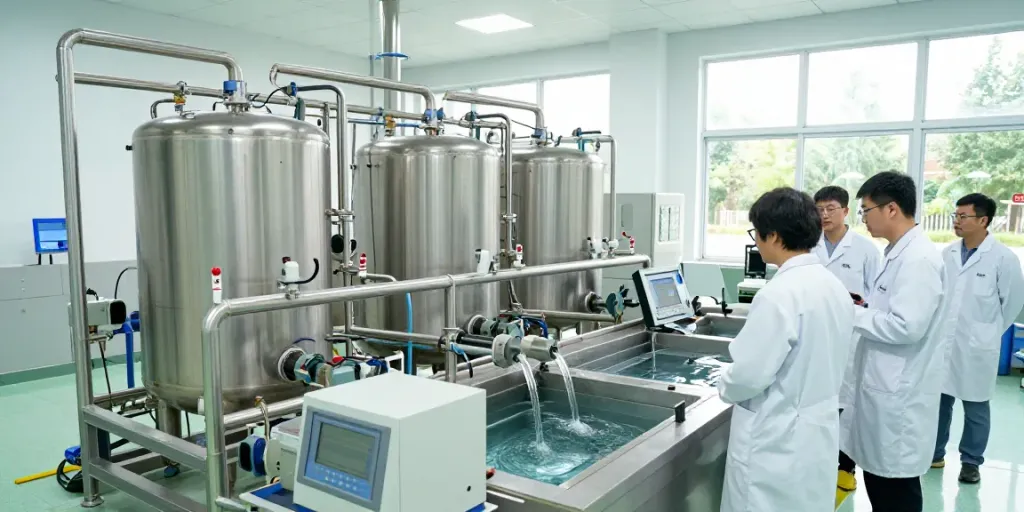
This system utilizes membrane technology to efficiently separate contaminants from water, offering high-quality filtration that meets stringent standards. With features such as auto-cleaning filter mechanisms and real-time monitoring, the Integrated Membrane Water Treatment System represents a significant leap forward in water treatment technology.
Chemical Treatment System Overview
The Chemical Treatment System is designed to ensure precise dosing and application of chemicals, optimizing water quality while minimizing chemical use. Its modular design allows for customization according to specific water treatment requirements, making it suitable for diverse applications ranging from industrial wastewater to municipal water supply.
DAF Integrated Treatment System Features
QILEE’s DAF (Dissolved Air Flotation) Integrated Treatment System integrates chemical dosing with sludge dewatering mechanisms. The compact structure and high performance make it ideal for treating wastewater with suspended solids. This system is particularly effective in scenarios where precipitation processes are weak, ensuring reliable operation.
Applications of Integrated Modular Systems
Integrated Modular Systems find applications across various sectors, addressing unique water treatment needs in each case.
Industrial Wastewater Management
Industries generate substantial volumes of wastewater, requiring sophisticated treatment solutions. QILEE’s modular systems can handle various contaminants, making them ideal for industries like manufacturing, pharmaceuticals, and food processing.
Municipal Water Treatment Solutions
In municipal settings, Integrated Modular Systems facilitate compliance with safety and quality standards, ensuring that treated water is safe for public consumption. QILEE’s solutions provide municipalities with the flexibility to respond to changing regulations and population demands.
Agricultural Water Purification Applications
Agriculture relies heavily on water quality for crop production. Modular systems allow farmers to treat irrigation water efficiently, addressing contaminants while optimizing resource use. This adaptability is crucial for sustainable agricultural practices in an increasingly water-scarce world.
Future Trends in Integrated Modular Systems for 2026
The landscape of Integrated Modular Systems is continually evolving, influenced by emerging technologies and shifting market demands.
Emerging Technologies Influencing Modular Designs
2026 is expected to see advancements in artificial intelligence and data analytics, enabling real-time optimization of water treatment processes. These technologies will drive further enhancements in the performance and adaptability of Integrated Modular Systems.
Predictions for Market Growth in Water Treatment
As water scarcity and quality challenges intensify globally, the demand for effective solutions is projected to grow significantly. The Integrated Modular Systems market is poised for substantial expansion, driven by industries seeking flexible and efficient water treatment options.
Strategies for Adopting Advanced Modular Systems
Organizations looking to embrace Integrated Modular Systems should consider gradual implementation, starting with pilot projects that allow for assessment and adaptation. Engaging with suppliers who offer comprehensive support can also facilitate a smoother transition to modular solutions.
What is an example of a modular system?
An example of a modular system can be seen in QILEE’s DAF Integrated Treatment System, which combines various components to create a comprehensive wastewater treatment solution.
How much does a modular system cost?
Cost varies significantly based on system complexity, size, and specific application requirements. However, modular solutions generally offer cost savings compared to traditional systems due to their scalability and efficiency.
What is modular integrated construction?
Modular integrated construction refers to the practice of building structures using pre-fabricated modules that are assembled on-site. This approach can reduce construction time and waste while improving overall quality.
What is the difference between modular and integrated design?
While both designs emphasize efficiency, modular design focuses on creating individual, pre-fabricated units, whereas integrated design encompasses a holistic approach that combines multiple systems into a cohesive framework.
How do modular systems improve efficiency?
Modular systems enhance efficiency by allowing for flexible, scalable solutions that can be tailored to specific needs. This adaptability reduces downtime and operational costs while improving overall system performance.