
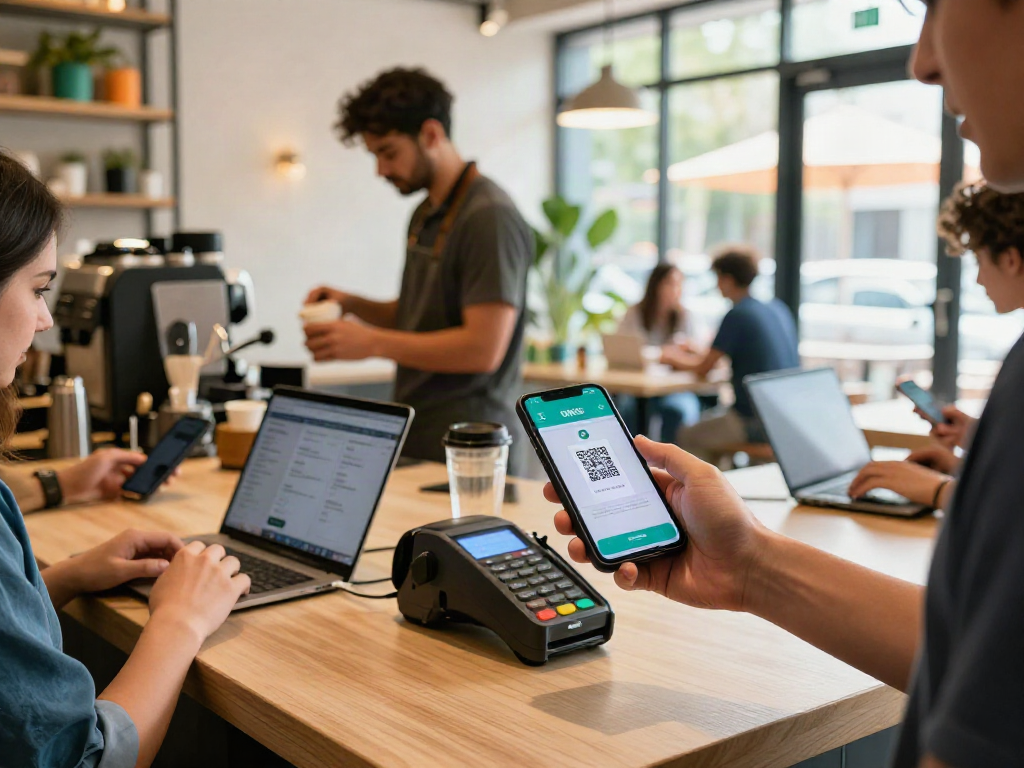
Understanding QRIS in Digital Payments
As the digital payment landscape continues to evolve, the Quick Response Code Indonesian Standard (QRIS) emerges as a vital tool in streamlining transactions. QRIS represents a unified standard for QR-code-based payments in Indonesia, enabling consumers and merchants to engage in cashless transactions with greater ease. This article delves into the significance of QRIS, specifically its role as a slot qris, highlighting its impact on modern financial ecosystems and the shift towards digitalization.
What is QRIS and Its Importance?
QRIS, or Quick Response Code Indonesian Standard, is an initiative launched by Bank Indonesia aimed at facilitating cashless payment methods across the nation's diverse economic landscape. By standardizing QR code payments, QRIS simplifies the process for both consumers and merchants, eliminating the need for multiple applications and allowing for a seamless transaction experience. Its importance lies in enhancing financial inclusion, especially in rural areas where traditional banking services may be limited.
The Role of slot QRIS in Modern Transactions
Slot QRIS plays a critical role in modern transactions by providing a platform that supports various payment methods, including e-wallets, bank transfers, and credit cards. This flexibility allows consumers to choose their preferred method of payment without being restricted to a single platform. Moreover, the slot QRIS enhances the customer experience by allowing quick and hassle-free transactions, thereby increasing the likelihood of repeat business for merchants.
Key Features of slot QRIS Payment Systems
- Interoperability: Slot QRIS allows different payment systems to communicate with one another, enabling a fluid transaction flow between various financial service providers.
- Ease of Use: Users can easily make payments by scanning QR codes, making it accessible to a wide range of demographics, including those unfamiliar with technology.
- Cost-Effectiveness: Transaction fees are often lower with QRIS compared to traditional payment methods, making it an attractive option for both consumers and businesses.
Challenges in Implementing QRIS Strategies
Common Issues with slot QRIS Adoption
Despite its advantages, the adoption of slot QRIS is not without challenges. Common issues include technological barriers, where both merchants and consumers may lack the necessary devices or internet access to use QRIS effectively. Additionally, there is a lingering skepticism among consumers about the security of digital payments, which can hinder widespread acceptance.
Overcoming Customer Resistance to New Payment Methods
Educating consumers about the benefits and security of slot QRIS is essential in overcoming resistance. Merchants can implement training programs or offer incentives, such as discounts for QRIS payments, to encourage customers to try this new method. Building trust through transparent communications about transaction security can also alleviate fears associated with cashless payments.
Technical Barriers in slot QRIS Implementation
Technical barriers such as the lack of infrastructure in remote areas can pose significant challenges to QRIS implementation. Ensuring reliable internet access and providing adequate training for merchants on how to use slot QRIS technology are crucial steps for a successful rollout. Furthermore, collaboration between government agencies and tech companies can help to facilitate the necessary support and resources.
Best Practices for slot QRIS Integration
Streamlining User Experience with slot QRIS
To maximize the benefits of slot QRIS, streamlining the user experience is imperative. This can involve designing user-friendly interfaces for both apps and websites, ensuring that the payment process is intuitive. Merchants should also provide clear instructions at points of sale to facilitate smooth transactions, thereby enhancing customer satisfaction.
Enhancing Security in slot QRIS Transactions
Security is paramount in any digital payment system. Implementing robust encryption and regularly updating security protocols will help protect sensitive information during slot QRIS transactions. Additionally, educating consumers about safe practices, such as not sharing QR codes or personal information, will further bolster their confidence in using this payment method.
Leveraging Data Analytics for slot QRIS Optimization
Data analytics can play a significant role in optimizing slot QRIS operations. By analyzing transaction data, businesses can gain insights into consumer behavior, identify trends, and make informed decisions about marketing strategies. This data-driven approach allows for a more personalized shopping experience, catering to the specific needs of customers and enhancing their engagement with QRIS.
Real-World Applications of slot QRIS
Successful Case Studies Using slot QRIS
Several businesses have successfully implemented slot QRIS, showcasing its versatility across different sectors. For instance, in the retail industry, a leading supermarket chain reported a 30% increase in transactions after adopting QRIS, highlighting its effectiveness in attracting tech-savvy consumers. Such case studies provide valuable insights into best practices and strategies that can be emulated by other businesses.
Industry-Specific Advantages of slot QRIS
The slot QRIS offers unique benefits tailored to various industries. For example, in the hospitality sector, hotels can streamline check-in processes by allowing guests to pay through QR codes, thus improving customer satisfaction. Similarly, in e-commerce, businesses can enjoy reduced cart abandonment rates as customers find QRIS transactions easier and faster.
Future Trends in slot QRIS Usage
Looking ahead, the adoption of slot QRIS is expected to rise as more consumers embrace cashless payments. Innovations such as integration with loyalty programs and personalized marketing offers based on transaction data are anticipated to enhance customer engagement. Additionally, the growth of fintech solutions will continue to shape the landscape, making slot QRIS an integral part of digital payment strategies in the future.
Measuring Success with slot QRIS
Key Performance Indicators for slot QRIS
To gauge the effectiveness of slot QRIS implementation, businesses should establish key performance indicators (KPIs) such as transaction volume, customer adoption rates, and customer feedback scores. Tracking these metrics allows businesses to assess the success of their QRIS strategy and make adjustments as necessary to enhance performance.
Feedback Loops and Continuous Improvement
Creating feedback loops with customers is essential for continuous improvement in slot QRIS systems. This can involve surveys and feedback forms that ask customers about their experiences with QRIS transactions. Insights gained from this feedback can inform changes in operational procedures or customer service approaches, leading to enhanced overall satisfaction.
Preparing for Future Innovations in slot QRIS
As technology continues to advance, businesses must remain agile and ready to adapt their slot QRIS strategies to leverage new innovations. This could include incorporating artificial intelligence for fraud detection or enhancing mobile app features to provide real-time transaction updates. By staying ahead of the curve, businesses can ensure they are maximizing the benefits of slot QRIS.
What are the key benefits of using slot QRIS?
Key benefits of using slot QRIS include improved transactional speed, lower costs, and enhanced customer satisfaction. The ability to transact quickly appeals to consumers who prioritize convenience, while lower transaction fees attract merchants looking to optimize their bottom line.
How does slot QRIS compare to traditional payment methods?
Compared to traditional payment methods, slot QRIS offers increased efficiency and flexibility. Transactions through slot QRIS are typically faster, and the unified QR code standard reduces the complexity of managing multiple payment platforms. Furthermore, QRIS promotes greater financial inclusion, a significant advantage in underserved areas.
What industries benefit most from slot QRIS?
Industries that benefit most from slot QRIS include retail, hospitality, and e-commerce. These sectors thrive on high transaction volumes and customer engagement, which QRIS can significantly enhance through its streamlined processes and reduced costs.
How can small businesses effectively implement slot QRIS?
Small businesses can effectively implement slot QRIS by starting with user-friendly QR code generators and payment processors that facilitate integration. For more information, slot777 offers valuable insights. Additionally, providing staff training and promoting QRIS as a payment option can help drive customer adoption.
What are future trends expected for slot QRIS payments?
Future trends for slot QRIS payments include increased integration with loyalty and rewards programs, the use of AI for enhanced customer experiences, and broader adoption across various industries as cashless transactions become more normalized and expected by consumers.