Understanding Equipment Transportation
Definition and Scope of Equipment Transportation
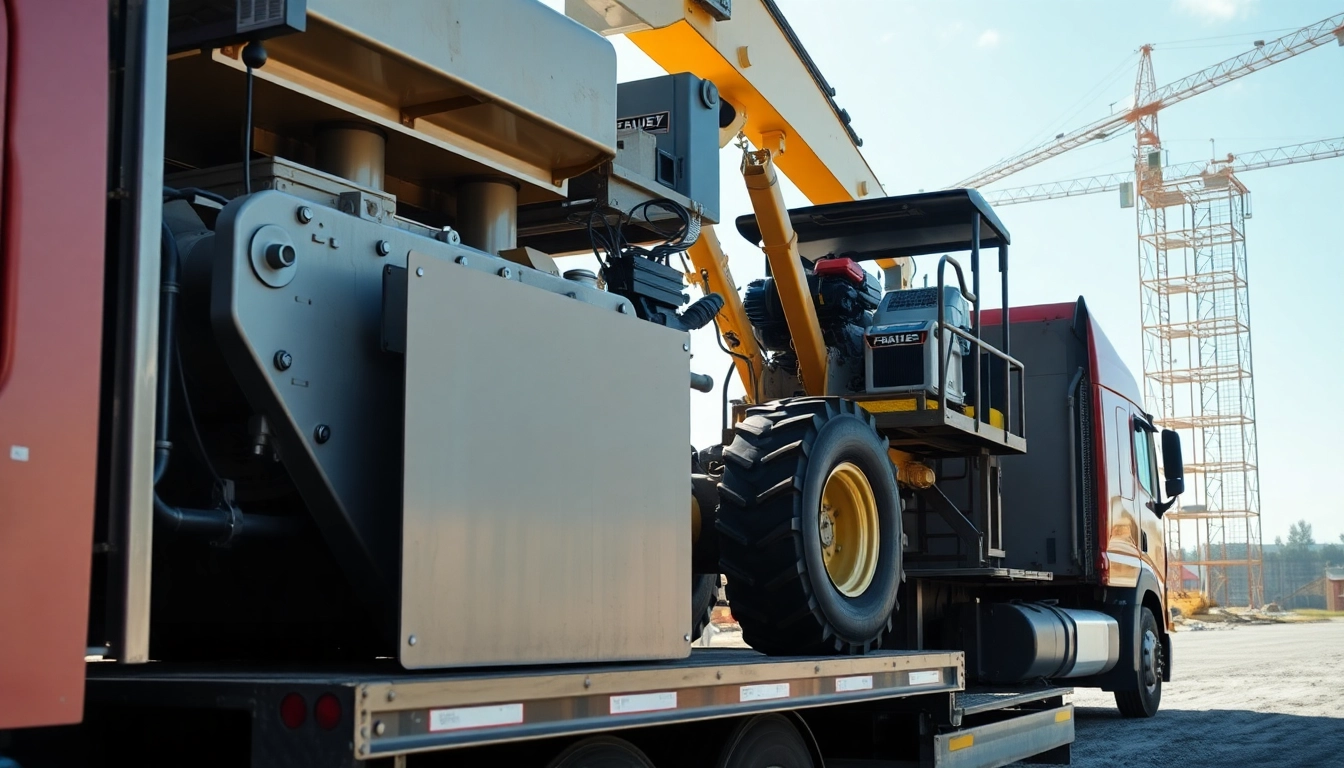
Equipment transportation refers to the process of moving machinery and heavy equipment from one location to another. This can involve a variety of vehicles and methods, depending on the size and weight of the equipment being transported. The scope of equipment transportation can be vast, encompassing industries such as construction, agriculture, and manufacturing, among others. Equipment transportation plays a critical role in ensuring that projects run smoothly and efficiently, as it facilitates the timely delivery of essential machinery and tools.
Types of Equipment Commonly Transported
A wide range of equipment is regularly transported across various sectors. Some of the most common types include:
- Construction Equipment: Bulldozers, excavators, cranes, and dump trucks.
- Agricultural Equipment: Tractors, combine harvesters, and plows.
- Industrial Machinery: Generators, compressors, and assembly line equipment.
- Earthmoving Equipment: Graders, backhoes, and loaders.
- Light Equipment: Forklifts, warehouse trucks, and compactors.
Importance of Equipment Transportation in Industry
The significance of equipment transportation cannot be overstated. It enables businesses to:
- Enhance Productivity: Quick and efficient transport helps to keep projects on schedule.
- Reduce Downtime: Timely delivery means less waiting time for machinery when it’s needed most.
- Expand Markets: Businesses can access wider markets by transporting products and materials across long distances.
- Ensure Safety: Proper transportation reduces the risks associated with moving heavy equipment.
- Strengthen Supply Chain: Coordination between transportation and logistics strengthens the overall efficiency of operations.
Challenges in Equipment Transportation
Logistical Challenges and Solutions
Logistical challenges in equipment transportation often arise due to various factors such as distance, weight restrictions, and route conditions. Some common challenges include:
- Weight Limits: Many states enforce strict weight limits on vehicles; exceeding these can result in hefty fines.
- Route Restrictions: Some roads may not accommodate oversized loads, requiring detailed planning and route assessment.
- Scheduling Conflicts: Coordination between multiple projects can create logistical nightmares.
To address these challenges, transportation coordinators can utilize route optimization software, maintain open communication with state transportation authorities, and engage in comprehensive planning to mitigate potential delays.
Legal and Regulatory Considerations
Understanding the legal framework surrounding equipment transportation is essential. Various laws govern vehicle size, weight limits, and safety standards:
- Permits: Certain heavy machinery requires special permits for transport, including oversized load permits.
- Insurance: Ensuring adequate insurance coverage is vital to protect against potential damages during transport.
- Local Regulations: Different states can have unique regulations that must be adhered to during transportation.
Therefore, consulting with legal experts and maintaining compliance will help to navigate the regulatory landscape effectively.
Cost Factors Affecting Equipment Transportation
Understanding the costs associated with equipment transportation is crucial for budgeting and financial planning. Key factors include:
- Distance: Longer distances typically increase transportation costs due to fuel and labor expenses.
- Type of Equipment: Larger and heavier loads often incur higher fees.
- Route Conditions: Rough or inaccessible routes may require specialized vehicles and equipment, escalating costs.
- Time of Year: Seasonal demand can affect prices, as can the availability of transportation resources.
Best Practices for Efficient Equipment Transportation
Planning and Scheduling Transport
Effective planning is at the core of successful equipment transportation. Companies should consider the following steps:
- Develop a Clear Timeline: Create a transport schedule that aligns with project deadlines.
- Engage Stakeholders Early: Collaboration among team members, equipment suppliers, and transport service providers ensures clarity.
- Conduct Risk Assessments: Regular evaluations help to identify potential disruptions in your transport plan.
Choosing the Right Equipment for Transport
Selecting appropriate transport vehicles is vital for efficiency and safety. Considerations include:
- Type of Equipment: Utilize specialized vehicles like lowboys for heavy or oversized equipment.
- Loading Capacity: Verify that the selected transport vehicle can handle the weight and dimensions of the equipment.
- Driving Conditions: Choose vehicles equipped for the specific terrains to be traversed.
Safety Protocols During Equipment Transportation
Safety should be a top priority during the entire transportation process. Implement the following protocols:
- Secure Loads Properly: Use appropriate tie-downs, blocks, and safety chains to prevent shifting during transport.
- Continuous Training: Provide ongoing training for drivers on safety procedures and equipment handling.
- Regular Inspections: Conduct thorough inspections of both equipment and transport vehicles before departure.
Choosing an Equipment Transportation Service
Evaluating Service Providers
When selecting a service provider for equipment transportation, businesses must assess various factors such as:
- Experience and Reputation: Investigate a provider's track record in shipping similar equipment.
- Fleet Capabilities: Ensure the company has the necessary vehicles and technology to meet your transport needs.
- Compliance and Safety Standards: Verify that potential vendors adhere to legal and safety requirements.
Hidden Fees and Cost Transparency
Often, hidden fees can complicate budgeting for equipment transportation. Companies should:
- Request Detailed Estimates: Ensure your quote includes all potential costs associated with transportation.
- Clarify Policies: Ask about costs related to delays, additional services, or unforeseen circumstances.
- Review Contracts Thoroughly: Always read the fine print to avoid unexpected charges.
Customer Support and Responsiveness
Reliable customer support is another critical factor when choosing a transportation service. Look for providers that offer:
- 24/7 Support: Access to help or updates at any time during transportation.
- Proactive Communication: Companies should continuously inform you about the status of your equipment during transit.
Future Trends in Equipment Transportation
Technological Innovations in Transport
As technology evolves, so does the landscape of equipment transportation. Emerging innovations include:
- Telematics: Real-time data on vehicle location, fuel consumption, and maintenance needs help optimize operations.
- Automation: Self-driving trucks are being developed that could revolutionize transportation logistics.
- Blockchain: This technology is being explored for secure and transparent tracking of shipments.
Impact of Sustainability on Equipment Transportation
Sustainability is becoming increasingly important in logistics and transportation, influencing practices such as:
- Fuel Efficiency: Improving fuel efficiency reduces both costs and environmental impact.
- Electric Vehicles: The adoption of electric trucks for transportation is on the rise, further promoting eco-friendly practices.
- Route Optimization: Utilizing software to plan the most efficient routes helps minimize fuel consumption.
Emerging Markets and Opportunities
New markets are evolving for equipment transportation as industries expand, offering various opportunities such as:
- Infrastructure Development: Growth in construction and infrastructure projects in developing regions fuels demand for equipment transport.
- Remote Operations: Increased mining or energy extraction in remote areas necessitates reliable equipment transport service.
- Sustainability Initiatives: Companies engaging in eco-friendly projects will likely require specialized transportation solutions.
FAQs
How does distance affect equipment transportation costs?
The cost generally increases with distance due to fuel and labor expenses. Expect prices to vary for short and long hauls.
What types of vehicles are used for equipment transportation?
Specialty flatbed trucks, step decks, and lowboys are commonly used to accommodate various equipment sizes.
Are there special permits required for equipment transportation?
Yes, oversized loads typically require special permits. Regulations can vary by state and type of equipment.
What factors influence the scheduling of equipment transportation?
Availability of equipment, route conditions, and regulatory requirements, along with customer needs, all affect scheduling.
How can I ensure the safety of transported equipment?
Using appropriate securing methods, regular inspections, and employing skilled operators can ensure safety during transportation.
Contact Information
Call Us: 4062607988Address: 3906 MT-40, Columbia Falls, MT 59912