Understanding Bed Bug Infestation
Bed bugs have become a significant concern for households and businesses alike, leading to sleepless nights and a barrage of pest control inquiries. These tiny, nocturnal insects thrive in warm environments, particularly in beds and furniture, where they feed on the blood of humans and animals. Understanding how to effectively manage bed bug problems begins with recognizing the signs of an infestation. For effective bed bug pest control, awareness and early detection are key.
Signs of a Bed Bug Infestation
Identifying a bed bug infestation early can prevent it from escalating. Here are some common signs to look out for:
- Visible Bugs: Adult bed bugs are about the size of an apple seed, and can be seen with the naked eye. They are reddish-brown and flat.
- Bed Bug Bites: Bites typically appear in lines or clusters on the skin and may be itchy or inflamed.
- Dark Spots: Small blood stains and fecal spots on bedding or furniture indicate their presence.
- Eggs and Shells: Bed bugs lay tiny, white eggs which can often be found in bedding seams or cracks.
Life Cycle of Bed Bugs
Understanding the life cycle of bed bugs helps in grasping the importance of controlling their population. Bed bugs go through several stages:
- Egg: A female bed bug can lay hundreds of eggs in her lifetime. Eggs hatch within about 7 to 10 days.
- Nymph: After hatching, they emerge as nymphs which are smaller and lighter. They shed their skin several times before reaching maturity.
- Adult: Upon reaching maturity in roughly 5 weeks, adults are capable of reproduction. The cycle continues if conditions are favorable.
Common Myths About Bed Bugs
Several misconceptions about bed bugs can hinder effective pest control efforts:
- Myth 1: Bed bugs can fly. Fact: Bed bugs cannot fly but can cling and crawl swiftly.
- Myth 2: They only infest dirty homes. Fact: Anyone can get bed bugs, regardless of cleanliness.
- Myth 3: One treatment will eliminate them. Fact: Multiple treatments are usually necessary due to their life cycle.
Effective Bed Bug Pest Control Techniques
Addressing bed bug infestations requires a strategic approach to pest management. The integration of different techniques can yield the best results.
Integrated Pest Management Approach
The Integrated Pest Management (IPM) approach is a comprehensive strategy that combines various methods to manage bed bugs. This approach includes:
- Biological Controls: Using natural predators to control bed bug populations.
- Mechanical Controls: Steps such as vacuuming and using mattress encasements to physically remove or trap bed bugs.
- Chemical Controls: Targeted pesticide application, utilizing chemicals selected based on their efficacy and safety.
Heat vs. Chemical Treatments
When it comes to treating bed bugs, two primary methods dominate: heat treatments and chemical treatments.
- Heat Treatments: Involves raising the temperature in an infested area to a level that is lethal to bed bugs. This method can effectively eliminate bugs and eggs.
- Chemical Treatments: Involves applying pesticides that are effective against bed bugs. This method should be carefully managed to ensure safety and compliance with local regulations.
DIY Techniques for Bed Bug Control
Many homeowners explore DIY solutions before seeking professional help. Some effective DIY techniques include:
- Encasements: Use mattress and box spring encasements to trap and starve any existing bed bugs.
- Washing Fabrics: Wash and dry all bedding at high temperatures, which can kill bugs and eggs.
- Vacuuming: Regular thorough vacuuming can help reduce bed bug numbers but should be followed up with proper disposal of vacuum bags.
Preparing Your Home for Bed Bug Treatment
If you decide on professional pest control, proper preparation can enhance treatment success.
Cleaning and Decluttering Before Treatment
Before treatment, it’s crucial to clean and declutter your home. This step ensures that the exterminator has clear access to infestation hotspots.
- Remove all bedding and wash with hot water.
- Declutter bedrooms, ensuring boxes and items are not stored under the bed.
- Vacuum thoroughly, focusing on crevices and corners where bed bugs could hide.
What to Expect During Professional Treatment
Understanding the general process can help alleviate fears and ensure that everything is in place for successful treatment:
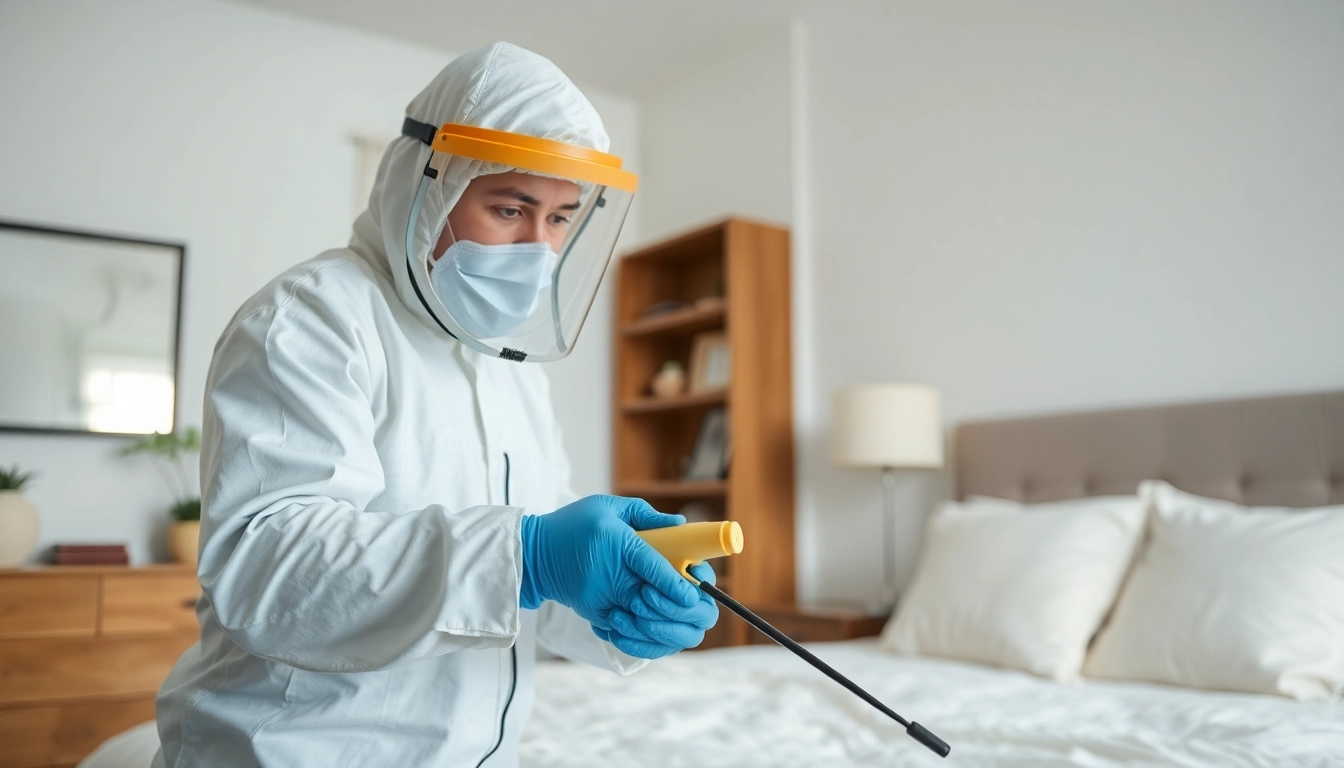
- The pest control technician will assess the level of infestation and choose the appropriate treatment methods.
- The treatment may take a few hours, requiring the homeowner to vacate the premises.
- After treatment, follow the technician's recommendations for safety and best practices.
Post-Treatment Care and Maintenance
Post-treatment care is vital to enduring success:
- Monitor your home regularly for signs of re-infestation.
- Resume cleaning and vacuuming routines to eliminate potential bed bugs.
- Follow any guidelines provided by the exterminator for further preventive measures.
Choosing the Right Pest Control Service
Selecting an effective pest control service can make a substantial difference. Here are essential considerations:
Questions to Ask Potential Exterminators
When interviewing pest control services, consider these critical questions:
- What methods do you use for bed bug control?
- Are your treatments safe for children and pets?
- What are the expected outcomes, and do you offer any guarantees?
Comparing Treatment Options and Costs
Costs may vary based on the infestation severity and treatment type. It's essential to:
- Get multiple quotes from different companies.
- Understand what is included in the pricing, such as follow-up visits or additional treatments.
Insurance and Guarantees for Bed Bug Treatment
Before you decide, check if the pest control company offers:
- Insurance protection to cover any damages or liabilities.
- Guarantees of effectiveness, which might include free follow-ups if the infestation persists.
Frequently Asked Questions About Bed Bug Pest Control
What is the best pest control method for bed bugs?
The most effective method involves a combination of heat treatments, chemical applications, and thorough cleaning. Integrated Pest Management is often recommended.
How can I prevent bed bugs from coming back?
Regular cleaning and proper storage can help prevent return. Use bed bug-proof encasements, avoid bringing second-hand furniture without inspection, and regularly inspect your sleeping areas.
Are DIY treatments effective against bed bugs?
Some DIY treatments can reduce bed bugs but often do not eliminate them completely. Professional intervention is typically necessary for severe infestations.
How long does a bed bug treatment take to work?
The timeframe for noticeable results can vary, but typically, it may take 2 to 3 weeks to see a significant decline in bed bug activity after treatment.
What are the costs associated with professional treatment?
Costs can range widely based on the level of infestation, service type, and treated area size. On average, treatments can cost between $300 and $1,500, with follow-up visits potentially impacting total expenses.