
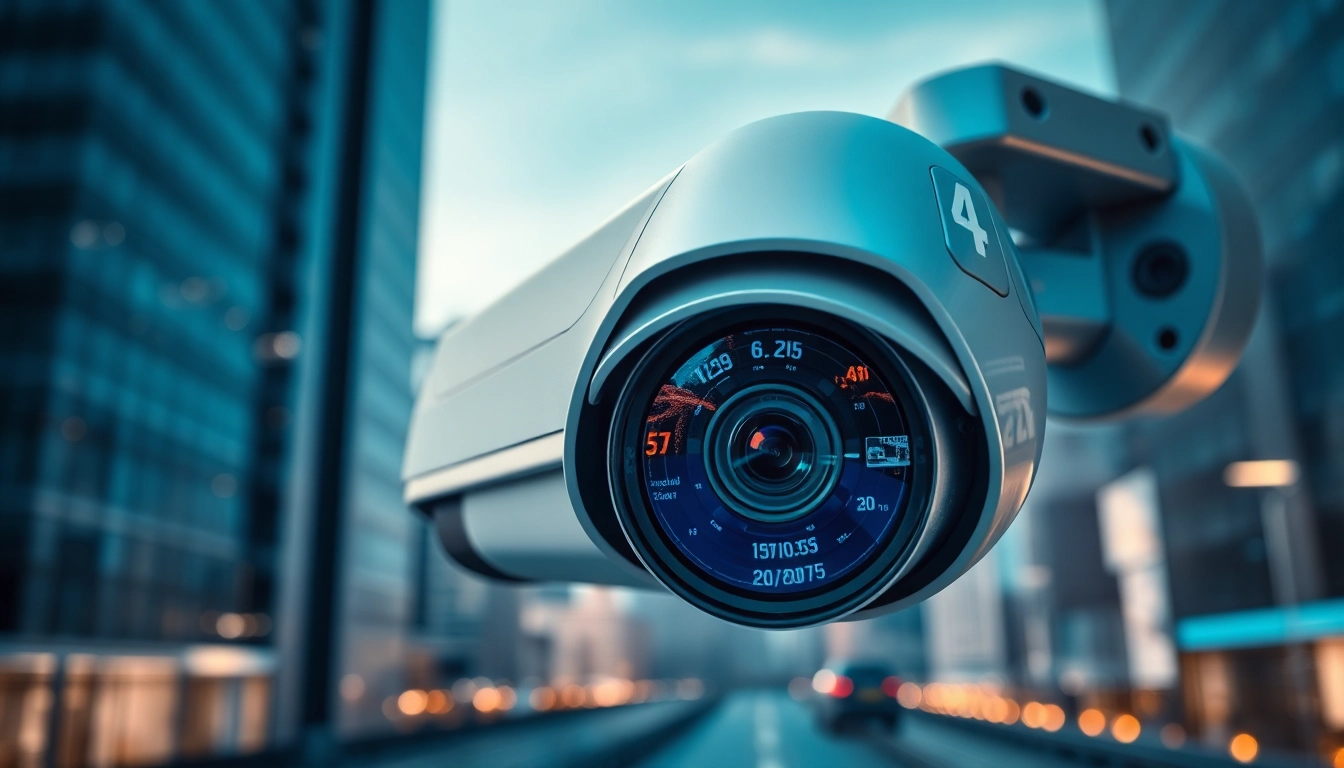
Understanding Computer Vision for CCTV
The integration of artificial intelligence with traditional surveillance systems has led to significant advancements in security technologies, particularly computer vision for CCTV. This technology empowers surveillance cameras not only to capture images but also to interpret and analyze visual data, responding to real-time scenarios. In this article, we will delve into the depths of computer vision in CCTV, its applications, benefits, challenges, best practices, and future trends.
What is Computer Vision?
Computer vision is a field of artificial intelligence that enables machines to interpret and understand the visual world. It involves the extraction of meaningful information from digital images and videos, simulating human vision processes. Using algorithms, machine learning models, and often neural networks, computer vision systems can analyze vast amounts of visual data, identifying patterns, detecting objects, and classifying images. This technology has seen remarkable growth in sectors like healthcare, automotive, robotics, and notably, security.
Integration with CCTV Systems
The synergy between computer vision and CCTV systems has transformed conventional surveillance into a more intelligent and responsive source of security. Legacy CCTV systems primarily focus on recording footage, requiring human operators for monitoring and analysis. In contrast, computer vision-enhanced CCTV systems can autonomously process video images, allowing for real-time analysis. The integration often includes facial recognition features, motion detection, and behavior analytics, which drastically reduce response time to incidents.
Key Benefits of Computer Vision for CCTV
- Enhanced Monitoring: Continuous analysis of surveillance feeds allows for quicker detection and response to potential threats.
- Reduced Human Intervention: AI-driven systems can identify risks, mitigate false alarms, and optimize human resources.
- Improved Accuracy: Advanced algorithms minimize errors, enhancing object recognition and event detection capabilities.
- Data Analytics: Valuable insights gleaned from video data help in improving surveillance strategies and enhancing security measures.
- Cost Efficiency: Reduction in the need for extensive human staff for monitoring leads to lower operational costs.
Common Applications of Computer Vision for CCTV
Real-Time Threat Detection
Real-time threat detection is one of the most crucial applications of computer vision technology in CCTV systems. Utilizing algorithms designed for motion detection and anomaly recognition, these systems can instantly identify suspicious behavior or unauthorized access attempts. For instance, if an individual is seen loitering in a restricted area or behaving erratically, the system can alert security personnel immediately. This proactive approach enables quicker intervention, potentially preventing criminal activities before they escalate.
Facial Recognition Technologies
Facial recognition technology provides an additional layer of security by allowing automated identification of individuals in real-time. By comparing captured facial images against databases, these systems can identify known offenders or endanger individuals like missing persons. This technology can be further enhanced by integrating analytics across multiple camera feeds, ensuring that facial recognition performance is robust across varying lighting conditions and angles.
Anomaly Detection in Surveillance Footage
Anomaly detection involves identifying patterns that deviate from normal behavior and can signify potential threats or security breaches. For example, a sudden influx of people in a normally quiet area, or an object left unattended, can trigger alerts in real-time. This function is particularly useful in crowded places like airports, malls, and stadiums, where human monitoring is impractical. By applying historical data to assess normal patterns, computer vision systems can intelligently distinguish between typical and atypical behaviors.
Challenges in Implementing Computer Vision for CCTV
Data Privacy Concerns
The use of surveillance cameras integrated with computer vision raises significant data privacy issues. The collection and processing of personal data, especially in public spaces, can lead to concerns about potential misuse. Organizations must establish clear privacy policies, ensuring transparency with users regarding data collection, usage, and storage protocols to comply with regulations such as GDPR.
Technical Limitations and Solutions
While computer vision technologies offer remarkable capabilities, they also face technical limitations such as system latency, computational power, and resolution requirements. High-quality cameras are essential for accurate analysis, and this can impact capturing costs. Implementing edge computing solutions can alleviate some burden on centralized systems, providing local processing capabilities to reduce latency and bandwidth issues.
Cost Factors in Upgrading Systems
Transitioning from conventional CCTV to computer vision solutions can involve significant upfront investment in new hardware and software solutions. Organizations must also consider the ongoing costs associated with system maintenance, data storage, and processing capabilities. A thorough cost-benefit analysis can help organizations understand their return on investment, emphasizing the long-term savings from incident prevention and operational efficiencies.
Best Practices for Utilizing Computer Vision for CCTV
Choosing the Right Cameras
Selecting appropriate cameras equipped with the necessary sensors and lenses is critical for effective computer vision deployment. Factors to consider include resolution, low-light performance, and field of view. High-resolution cameras enhance facial recognition and object detection accuracy, while low-light capabilities are essential for round-the-clock monitoring.
Maintaining System Efficiency
Regular maintenance and updates are vital for preserving the efficiency of computer vision-enabled CCTV systems. These practices include software updates for algorithms, hardware checks, and routine performance assessments. Additionally, organizations should have structured training programs for operators to ensure they can maximize the system’s potential.
Integrating with Existing Security Frameworks
Integrating computer vision systems with existing security frameworks enhances overall security effectiveness. This can include layers of access control systems, alarm systems, and analytics platforms that provide a comprehensive security ecosystem. By enabling information sharing across multiple systems, organizations can facilitate quicker decision-making and response strategies.
Future Trends in Computer Vision for CCTV
Innovations on the Horizon
The future of computer vision in CCTV is bright, with innovative trends focusing on enhanced functionalities such as 3D mapping and advanced object tracking systems. These innovations are set to redefine surveillance capabilities further, enabling better monitoring in complex environments.
Emerging Technologies in Surveillance
Emerging technologies, such as artificial intelligence and machine learning, are revolutionizing video analytics. As algorithms become smarter through training on diverse datasets, their capability to detect nuanced threats increases, allowing for more proactive and contextual security measures.
Impact of AI on Video Analytics
Artificial intelligence stands to greatly enhance video analytics by providing more precise data interpretations and reducing false positives. As the technology matures, organizations will be able to employ deeper analytics, enabling predictive insights regarding security incidents before they occur. This shift transforms the traditional reactive approach to a more preventive security paradigm.
Frequently Asked Questions
What is computer vision in CCTV?
Computer vision in CCTV refers to the integration of AI technologies that allow surveillance systems to interpret and analyze visual data for improved security.
What are the primary benefits of using computer vision in CCTV?
Key benefits include enhanced monitoring, reduced need for human intervention, improved accuracy, data analytics, and cost efficiency in security operations.
How does facial recognition work in CCTV systems?
Facial recognition in CCTV captures images of individuals and compares them against databases to identify or verify identities automatically in real time.
What challenges are associated with computer vision for CCTV?
Challenges include data privacy concerns, technical limitations, and the cost factors involved in upgrading from traditional CCTV systems.
What best practices should be followed when implementing computer vision systems?
Best practices include selecting the right cameras, maintaining system efficiency, and integrating with existing security frameworks to enhance overall effectiveness.