
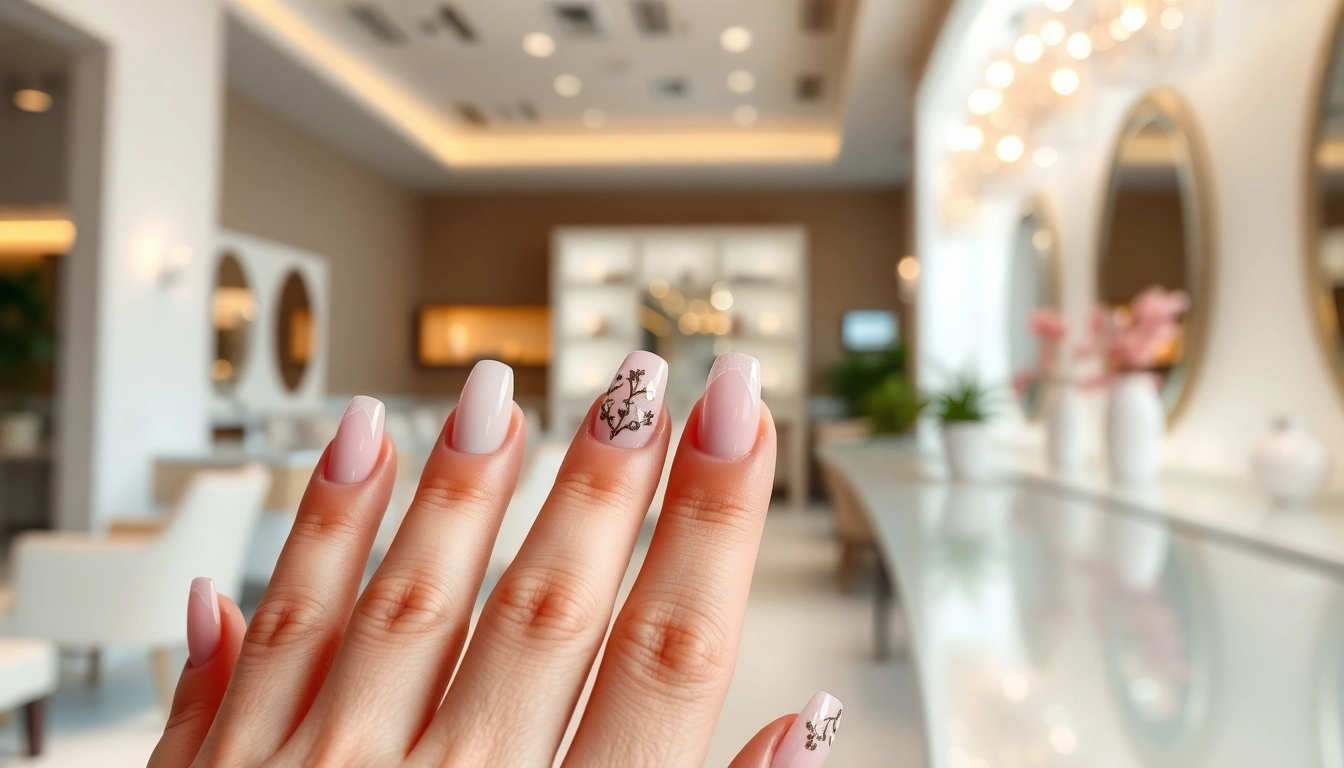
Understanding Nail Extensions
What Are Nail Extensions?
Nail extensions are a popular beauty enhancement that involves applying artificial materials to the natural nails to create length and shape. Typically made from acrylic, gel, or fiberglass, these extensions can not only change the aesthetics of your nails but also fortify them against damage. The process allows for creativity in nail art, offering various styles, colors, and embellishments, making it a favored choice for many individuals looking to enhance their manicure.
Benefits of Nail Extensions
The benefits of Nail extensions extend beyond just lengthening the nails. First, they provide an immediate uplift to one’s appearance and self-confidence. Additionally, they help protect natural nails from breakage, making them less susceptible to damage. Nail extensions also serve as a canvas for artistic designs, allowing for personalized expressions. Lastly, for individuals with slow-growing nails, extensions can offer a quick solution for achieving the desired nail length and shape.
Types of Nail Extensions
There are several types of nail extensions, each offering unique benefits and suitable for different preferences:
- Acrylic Extensions: Made with a mix of liquid monomer and powder polymer, these extensions are strong and can be easily shaped. They’re often favored for their durability and cost-effectiveness.
- Gel Extensions: Offering a more natural appearance, gel extensions are applied in layers with a UV or LED lamp to cure. They tend to be more flexible than acrylics but may require more skill to apply.
- Fiberglass Extensions: These use a thin material that can be applied over the natural nail for added strength. They are less bulky and more natural-looking, making them a good choice for those seeking a subtle enhancement.
- Polygel Extensions: A newer option that combines the ease of acrylic and the benefits of gel. Polygel is lightweight and offers excellent durability while remaining malleable for easier application.
Choosing the Right Nail Extensions
Factors to Consider
When selecting the right type of nail extensions, consider several important factors:
- Natural Nail Condition: Assess the health of your natural nails. If they're brittle or prone to breaking, a more robust option like acrylic may be ideal.
- Desired Length and Shape: Determine how long and what shape you want your extensions. Different materials have specific limitations.
- Allergies and Sensitivities: Some people may react to certain materials, so understanding your sensitivity to acrylic or gel is vital.
- Maintenance Commitment: Some extensions require more frequent fills and maintenance than others, so choose based on your lifestyle and how much time you can dedicate.
Consultation with Nail Professionals
Before deciding on nail extensions, it's beneficial to consult with a professional nail technician. They can offer valuable insights based on your nail health, lifestyle, and preferences. During the consultation, a technician can showcase various styles and materials, helping you visualize what will work best for you. Additionally, they can recommend trends that may suit your personality and contribute to your overall style.
Matching Styles to Personal Preference
Choosing the style of your nail extensions is a creative process. Factors to consider include your daily wardrobe, personality, and the message you want to convey through your nails. Classic styles like understated French tips may appeal to professionals, while vibrant colors and elaborate designs suit more artistic personalities. Engaging with current trends can be a fun way to explore new looks, and personalization is key in ensuring your nails reflect who you are.
Nail Extensions Application Process
Preparation Steps
Preparation is crucial for a successful nail extensions application. The first step is ensuring your natural nails are clean and healthy. This may involve trimming and shaping the nails and gently pushing back cuticles. For hygienic purposes, it's essential to disinfect all tools used during the application process. If using any nail enhancers or base coats, these should be chosen based on individual nail conditions to promote the best adhesion and longevity of the extensions.
Step-by-Step Application
The application process varies based on the type of extensions being applied. However, the general steps for acrylic may include:
- Prepare the natural nail by cleaning and shaping.
- Apply a primer to enhance adhesion.
- Mix the acrylic solution as per instructions and apply it to the nail, shaping it as desired.
- Allow the acrylic to dry, then file and shape the extension to achieve the perfect form.
- Apply polish or gel finish to enhance durability and appearance.
Post-Application Care
After application, the care regimen should focus on maintaining the health of both the extensions and natural nails. These practices include keeping the nails moisturized, avoiding harsh chemicals, and regularly using cuticle oil. It’s also essential to avoid using nails as tools to minimize chipping or breaking. Regular touch-ups and fills every two to three weeks will ensure that your extensions look fresh and continue to protect your natural nails.
Maintaining Nail Extensions
Regular Maintenance Tips
To extend the life of your nail extensions, routine maintenance is key. Here are some essential tips:
- Avoid Excessive Water: Prolonged exposure to water can weaken adhesive properties and lead to lifting.
- Schedule Regular Appointments: Fill appointments every 2-3 weeks will keep your nails looking their best.
- Use Gentle Products: Opt for gentle soaps and cleansers to avoid stripping the extensions' materials.
- Protect From Physical Damage: Wear gloves while doing dishes or cleaning to prevent breakage.
Signs of Damage and Solutions
Recognizing the signs of damage to your nail extensions can help prevent further injury. Common signs include noticeable lifting, cracks, or the presence of air bubbles beneath the surface. If you notice these issues, it's advisable to visit a professional nail technician to repair or replace the damaged extensions promptly. Avoid peeling or forcefully removing extensions, which can damage your natural nails.
Extending Lifespan of Nail Extensions
To ensure the lifespan of your nail extensions is maximized, consider the following strategies:
- Choose High-Quality Materials: Investing in quality products can significantly influence durability and overall appearance.
- Follow Professional Advice: Adhere to care recommendations given by your nail technician, particularly regarding maintenance intervals and at-home care.
- Limit Heat Exposure: High temperatures can weaken nail adhesive; avoid long exposure to saunas or direct heat.
Trends in Nail Extensions
Current Design Trends
Fashion trends continuously change, and so do nail extension styles. Current popular designs include minimalistic and geometric patterns, vibrant colors, and the incorporation of metallic or holographic elements. The use of gemstones and decals for three-dimensional enhancements has gained traction as individuals look to customize their nails further. Seasonal and themed designs also provide opportunities to showcase creativity and express personality.
Innovative Techniques in Nail Extensions
Innovations in nail technology have led to the development of new techniques that make the application and maintenance of nail extensions easier and more affordable. The introduction of durable and lightweight materials, like polygel, merges the benefits of acrylic and gel, allowing for creative freedom without compromising on longevity. Additionally, techniques such as dip powder extensions have become popular for their ease of use and the quick application time they provide.
Celebrity Influences on Nail Trends
Celebrities often play a significant role in setting nail trends. Social media platforms allow stars to showcase their nail aesthetics, frequently sparking viral trends. For instance, bold color choices and intricate designs seen on red carpets can lead to new favorites among the public. Following trends set by influential figures can inspire nail enthusiasts to experiment with new styles and techniques, further enriching the landscape of nail artistry.
Frequently Asked Questions (FAQs)
What are the most popular types of nail extensions?
The most popular types include acrylic, gel, fiberglass, and polygel extensions. Each type has its advantages based on durability and appearance.
How often should I get my nail extensions refilled?
It’s typically recommended to schedule refills every 2-3 weeks to maintain their appearance and prevent lifting.
Can I remove nail extensions at home?
While it's possible, it's best to have them removed by a professional to prevent damage to your natural nails.
Will nail extensions damage my natural nails?
When applied and maintained correctly, nail extensions should not damage your natural nails. However, improper removal or care can lead to damage.
What can I do to make my nail extensions last longer?
Regular maintenance, avoiding excessive exposure to water, and using gentle products can help extend the lifespan of your nail extensions.