Understanding Bed Bug Heat Treatment
What Is Bed Bug Heat Treatment?
Bed bug heat treatment is a pest control method that utilizes high temperatures to eradicate bed bugs and their eggs effectively. By raising the ambient temperature of a space to at least 120°F (49°C) and sometimes as high as 135°F (57°C), heat treatment targets all life stages of bed bugs, making it a popular choice among homeowners and professionals alike. Unlike chemical solutions, heat treatment is non-toxic and environmentally friendly, which contributes to its increasing popularity. You can learn more about bed bug heat treatment and its effectiveness.
How Does Bed Bug Heat Treatment Work?
The effectiveness of bed bug heat treatment lies in its ability to target bed bugs at all lifecycle stages—from eggs to adults. This technique involves the following steps:
- Preparation: Before treatment, thorough preparation is essential to ensure maximum effectiveness. This includes removing any obstacles that could hinder the heating process.
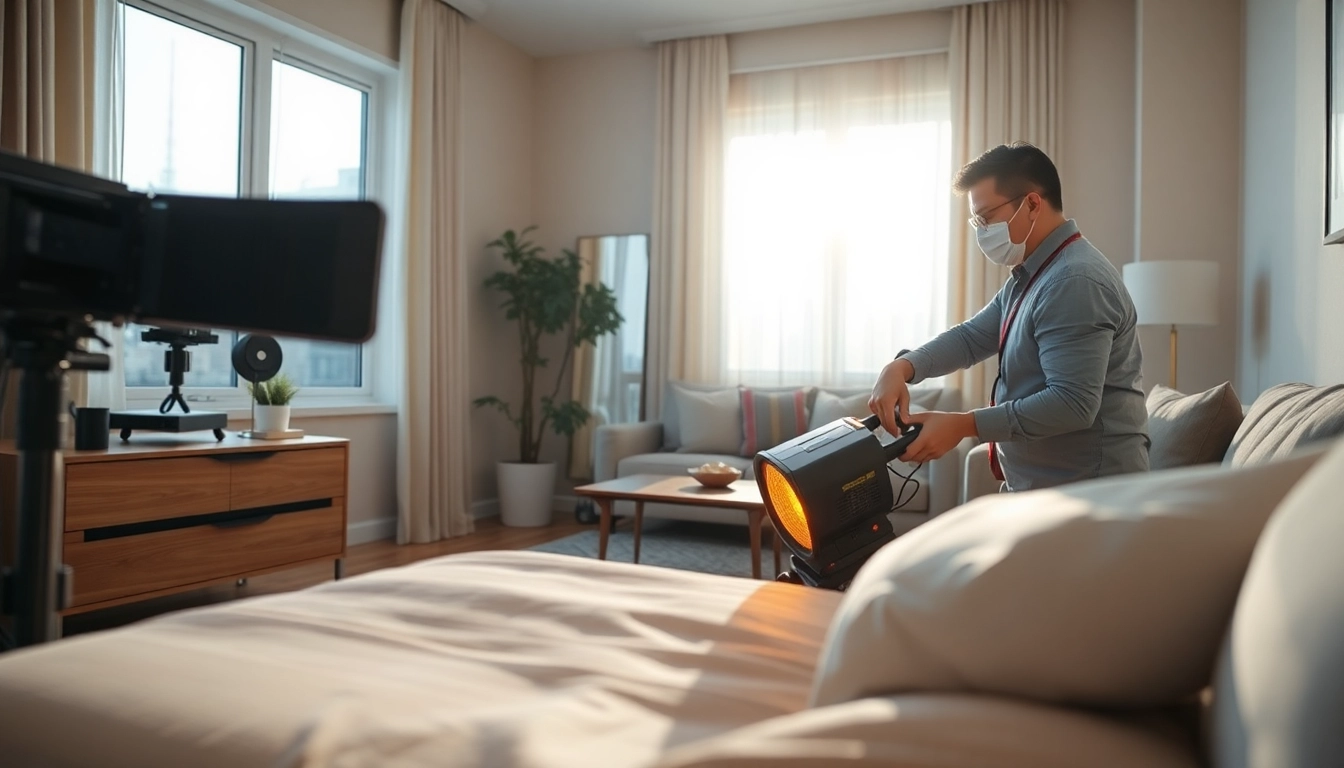
- Heating Process: Professional-grade heaters are employed to increase the temperature in the affected areas. The heat penetrates into furniture, carpets, and walls, ensuring that every nook and cranny is reached.
- Monitoring: Throughout the treatment, temperatures are carefully monitored using thermal sensors to ensure they remain within the target range.
- Post-treatment Check: After cooling down, the treated area is monitored again to confirm that all bed bugs have been eliminated.
Benefits of Bed Bug Heat Treatment
Choosing heat treatment comes with several significant advantages:
- Effectiveness: Heat treatments can kill bed bugs in all life stages on contact.
- Non-toxic: This method avoids the use of harsh chemicals, making it safer for families and pets.
- Quick Process: Treatments can often be completed in one day, allowing for swift eradication of bed bugs.
- Minimal Disruption: Compared to traditional chemical treatments, heat applications result in less cleanup and disruption to living spaces.
Preparing for Bed Bug Heat Treatment
Steps You Should Take Before Treatment
Preparation is crucial for successful bed bug heat treatment. Here are essential steps to follow:
- Identify Infested Areas: Conduct a thorough inspection to determine the extent of the infestation and pinpoint the most affected areas.
- Clear the Area: Remove all items that could be damaged by heat, such as electronics, candles, and delicate fabrics.
- Inform Inhabitants: Notify anyone living in the space about the treatment plan and any temporary relocations required.
Items to Remove and Secure
Before treatment, it's essential to remove or secure certain items to ensure effectiveness:
- Food and medicine should be relocated to a safe area.
- Items like portable heaters, air conditioners, or fans should be unplugged or removed.
- Valuables, important documents, and anything sensitive to high temperatures must be stored in a safe place.
Common Mistakes to Avoid
Avoid these common pitfalls to ensure a successful treatment:
- Skipping Preparation: Failing to adequately prepare can reduce treatment effectiveness.
- Ignoring Post-treatment Monitoring: It’s essential to check the treated areas after treatment to ensure complete eradication.
- Underestimating the Severity: Not addressing the problem in its entirety can lead to regrowth, so it’s crucial to understand the full extent of the infestation.
Executing a Successful Bed Bug Heat Treatment
Choosing the Right Equipment
Proper equipment is critical for effective heat treatment. Professional pest control companies often use specialized heaters designed for large spaces. The equipment needs to effectively distribute heat evenly across all surfaces. Some essential equipment includes:
- Electric Heaters: Frequently used for residential spaces due to their ability to provide consistent temperature control.
- Propane Heaters: Often employed in larger areas that require high heat over longer periods.
- Thermal Sensors: Used for monitoring and ensuring that all areas reach the required temperature.
Temperature Requirements for Effectiveness
For bed bug heat treatment to be successful, maintaining a sufficient temperature is crucial. The recommended temperature is between 120°F and 135°F. Direct and sustained exposure to these temperatures for a minimum of 90 minutes is required to ensure complete eradication of bed bugs, including their eggs. Continuous monitoring guarantees that all surfaces reach the necessary temperature.
Duration and Monitoring
The duration of the heat exposure can significantly influence the treatment outcome. Most professional treatments last between 6 to 8 hours. Monitoring temperature and airflow throughout this process ensures that even hidden bed bugs are not overlooked. Thus, both the initial heat-up phase and the cooling down phase require careful attention.
Post-Treatment Care and Prevention
What to Expect After Treatment
After the heat treatment, you can expect the area to be cooler, and there may be some residual warmth for several hours. It's advisable to wait before reentering the treated area, typically about 4-6 hours to allow for cooling and to ensure that the treatment has done its job.
Best Practices for Preventing Future Infestations
Prevention is key to avoiding future infestations. Here are some effective strategies:
- Regular Inspections: Conduct regular checks in your home to catch any signs of bed bugs early.
- Protective Covers: Use mattress and box spring encasements to prevent reinfestation.
- Careful Travel Practices: When traveling, inspect hotel rooms, and never bring luggage onto the bed.
Signs That Treatment Was Successful
Indicators that the heat treatment has been successful include:
- No further sightings of live bed bugs or their feces.
- Reports of bed bug bites reducing or disappearing.
- Absence of new eggs or evidence of hatchlings.
Frequently Asked Questions About Bed Bug Heat Treatment
How long does bed bug heat treatment last?
Typically, bed bug heat treatment effects can last from several months to years, depending on the environment and preventive measures taken after treatment.
Is bed bug heat treatment safe for pets?
Yes, bed bug heat treatment is generally safe for pets if they are removed from the treated area during the process to prevent them from overheating.
What temperature is needed for bed bug heat treatment?
A temperature of at least 120°F (49°C) is necessary, with 135°F (57°C) being optimal for effectively killing bed bugs at all life stages.
Can I do bed bug heat treatment myself?
While DIY options exist, it is generally advisable to hire professionals due to the expertise and specialized equipment required for effective heat treatment.
What happens if bed bugs survive the heat treatment?
If any bed bugs survive, they can repopulate and lead to a new infestation. Resealing the area and possibly conducting follow-up treatments is essential if this occurs.