Introduction to Giant Foam Building Blocks
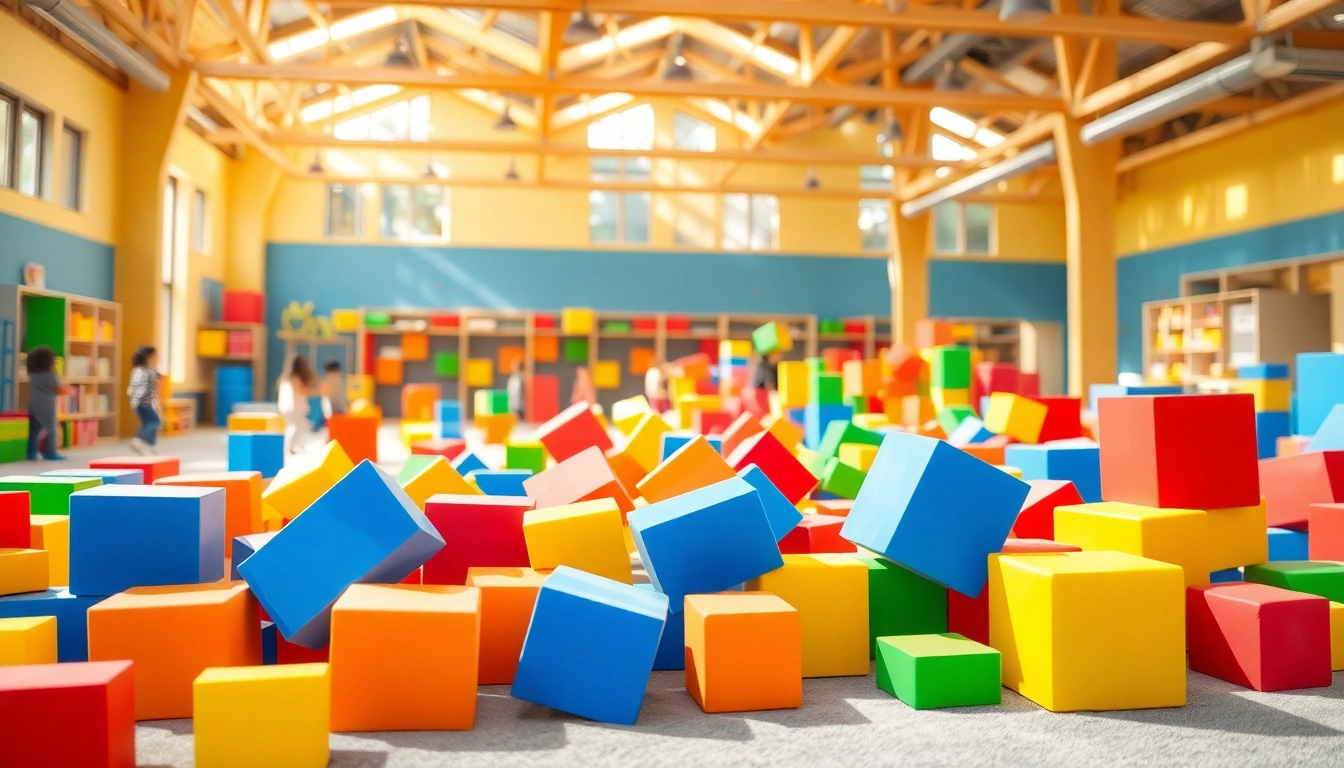
Giant foam building blocks are the epitome of child-friendly construction toys, specifically designed to nurture creativity and imagination in young minds. These oversized blocks are not only fun but also offer myriad opportunities for learning through play. From creating towering castles to constructing imaginative playhouses, the versatility of these blocks empowers children to embark on creative adventures. For those interested in enhancing their playtime experience, get the details on the best practices for engaging children with foam blocks.
What Are Giant Foam Building Blocks?
Giant foam building blocks are large, soft, and lightweight blocks typically made from high-density foam. These blocks vary in size, shape, and color, allowing children to explore a multitude of building configurations. Unlike traditional wooden or plastic blocks, foam blocks are designed for safety and ease of use, making them ideal for environments where children engage in play without the risk of injury. Their vibrant colors stimulate visual learning while instilling a sense of wonder and excitement.
Benefits of Using Foam Blocks in Play
These building blocks come fortified with numerous benefits that contribute significantly to a child's development:
- Physical Development: The act of stacking, balancing, and moving foam blocks aids in the development of gross and fine motor skills.
- Cognitive Growth: Constructing with foam blocks fosters spatial reasoning and problem-solving abilities.
- Emotional Development: Playing collaboratively promotes social skills and emotional intelligence through teamwork.
- Creativity and Imagination: Foam blocks serve as a blank canvas for children's imaginations, encouraging them to create their own worlds and scenarios.
Age-Appropriate Play Ideas
Foam building blocks can engage children of various age groups, with play ideas tailored for specific developmental stages:
- Infants (0-1 Year): Soft foam blocks help with sensory exploration. Babies can enjoy tactile stimulation as they grasp and manipulate the blocks.
- Toddlers (1-3 Years): Encourage stacking games that involve building simple structures or towers to help with stability and hand-eye coordination.
- Preschoolers (3-5 Years): Introduce imaginative play scenarios where they can create scenes such as a zoo or a spaceship.
- School-Age Children (5-8 Years): Inspire cooperative games that involve teams working together to build larger structures, enhancing communication and negotiation skills.
Safety Considerations When Using Foam Blocks
Safety is paramount when children engage with building blocks. Here are key considerations to ensure a secure play environment:
Choosing Safe Materials
When selecting foam blocks, it’s essential to choose those made from non-toxic, high-density foam. Ensure that the blocks are free from harmful chemicals and sharp edges, offering a safe experience for children of all ages. Look for certifications or seals indicating compliance with safety standards for children's toys.
Setting Up a Secure Play Environment
Create a safe play area by ensuring that the surface where the foam blocks are used is free from obstacles and hazards. Consider placing soft mats or carpets to cushion any falls. Keep the play space uncluttered, and ensure that the children have ample room to move around without risk of injury. A designated play area reduces distractions and potential accidents.
Supervision and Best Practices
Adult supervision is crucial during playtime. Adults can guide play, encourage teamwork, and help resolve conflicts. Set simple rules for play to minimize injuries, such as no pushing or throwing blocks. Regularly check the blocks for wear and tear and remove any damaged pieces to maintain safety.
Enhancing Creativity Through Play
Giant foam building blocks offer endless possibilities for creativity. By design, they encourage children to think outside the box and invent their own games:
Imaginative Scenarios for Kids
Children thrive in imaginative settings. Encourage them to create stories as they play, whether building a fortress from which they can defend against imaginary dragons or crafting a cozy home for their favorite stuffed animals. These scenarios can help them develop narrative skills and enhance their vocabulary.
Collaborative Builds with Friends
Collaboration is an essential skill in any social context. By building together, children learn to communicate their ideas, negotiate, and share responsibilities. Organizing group challenges, like who can build the tallest tower or the most creative structure, promotes teamwork and social bonding.
Incorporating Themes for Fun
Integrating themes into playtime can significantly elevate children's engagement. Consider themes like construction sites, castles, or space missions. Kids can brainstorm what elements are necessary for their theme and work together to create a complete world. This practice not only enhances their imaginative play but also encourages group planning and execution skills.
Educational Benefits of Foam Building Blocks
With roots in both fun and learning, foam blocks enhance various educational aspects:
Developing Motor Skills
Manipulating foam blocks encourages the development of fine and gross motor skills. Children learn to balance blocks as they stack them, which refines their hand-eye coordination. The act of lifting, arranging, and placing blocks helps strengthen their muscles and promotes dexterity.
Encouraging Problem-Solving
When faced with the challenge of balancing blocks or figuring out how to create a specific structure, children engage in problem-solving. They learn to assess materials, think critically about their design, and re-evaluate their strategies as needed. This hands-on experience with engineering principles lays the groundwork for advanced problem-solving in later life.
Building Spatial Awareness
Interacting with foam blocks enhances spatial awareness as children visualize how different shapes and sizes can fit together. Constructing vertical and horizontal arrangements helps them develop an understanding of three-dimensional space, which is crucial for many academic subjects, from math to science.
Maintaining and Storing Foam Blocks
To ensure a lasting investment, it’s essential to keep foam blocks clean and in good condition. Here's how:
Best Practices for Cleaning
Foam blocks can be wiped down with a damp cloth using a mild soap solution. Ensure no moisture accumulates within the foam, as it could lead to mold. For deep cleaning, consider using a disinfectant solution that is safe for children’s toys, ensuring that the blocks are thoroughly dried before storage.
Efficient Storage Solutions
Organizing play areas will not only help in maintaining order but also improve the lifespan of the foam blocks. Consider using storage bins or shelves to keep blocks neatly stored away. Clear containers allow children to see the contents and encourage them to return unused blocks after play.
Long-Term Care Tips
Inspect foam blocks regularly for wear and tear, and remove any damaged pieces immediately. Store blocks in a dry, cool place away from direct sunlight, as prolonged exposure could deteriorate the material. You can also periodically rotate the blocks to keep the collection fresh and exciting for children.
Frequently Asked Questions
What age group are foam building blocks suitable for?
Foam building blocks are appropriate for a wide age range, starting from infants to school-age children, with tailored play ideas for each developmental stage.
Are foam blocks safe for young children?
Yes, quality foam blocks are designed with safety in mind, made from non-toxic materials and lacking sharp edges, making them safe for young children.
How can foam blocks encourage social skills?
By playing collaboratively, children learn to communicate, share ideas, and work together towards common goals, which enhances their social capabilities.
How do I clean and maintain foam blocks?
Clean foam blocks with a damp cloth and mild soap solution. Allow them to dry completely and store them in a cool, dry place to prolong their life.
Can foam blocks support educational development?
Absolutely! Foam blocks enhance motor skills, spatial awareness, and problem-solving abilities while engaging children in creative and imaginative play.